

New leaders address a new time
The arrival of agentic AI promises to alter the way consumers shop and businesses operate.
The arrival of agentic AI promises to alter the way consumers shop and businesses operate.

As for unexpected changes, consider the grocery industry, which has entered what Miller described as a “fascinating and dynamic” period driven by two forces that few retailers would have predicted just a few years ago.
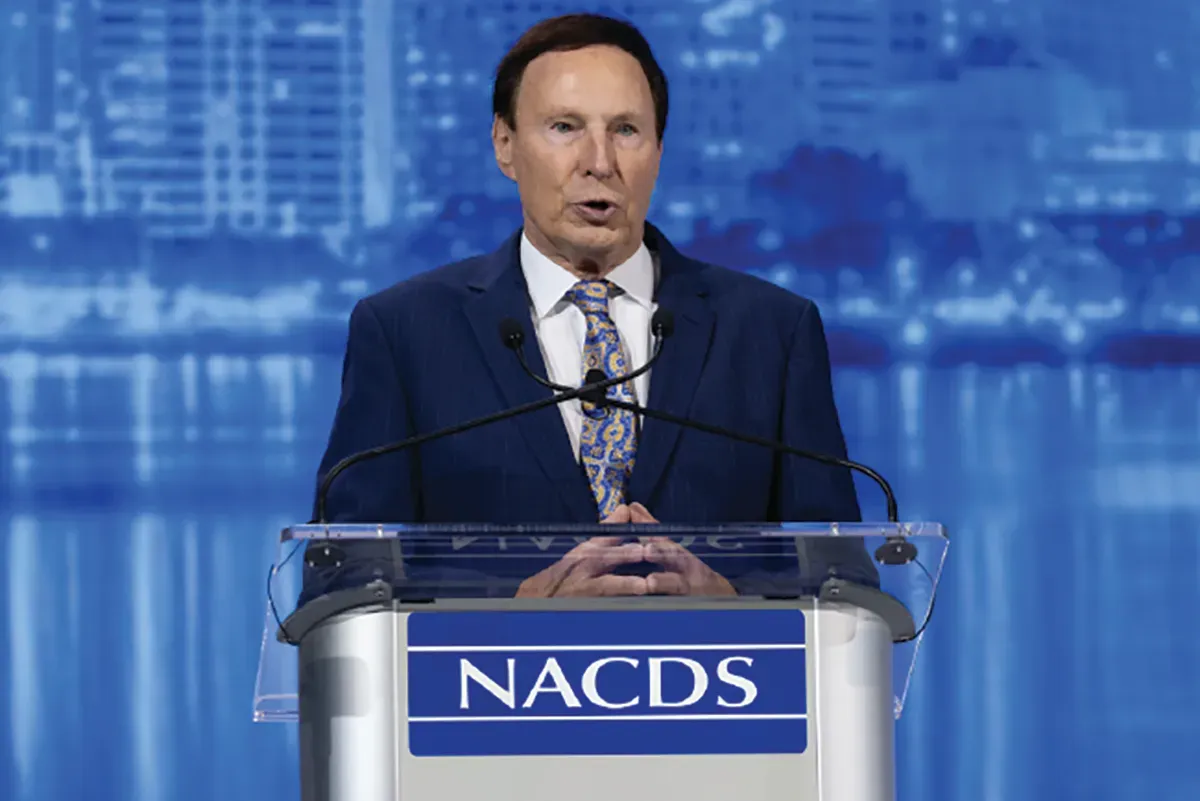
David Pinto discusses how the NACDS moves ahead in the wake of Steve Anderson's retirement at the end of the year.

“Today, retail pharmacies rethinking their pricing structures are exploring a new alternative: cost-based reimbursement models,” the report says. “These models could better align the prices of prescriptions with underlying input costs and the services that pharmacies provide.”
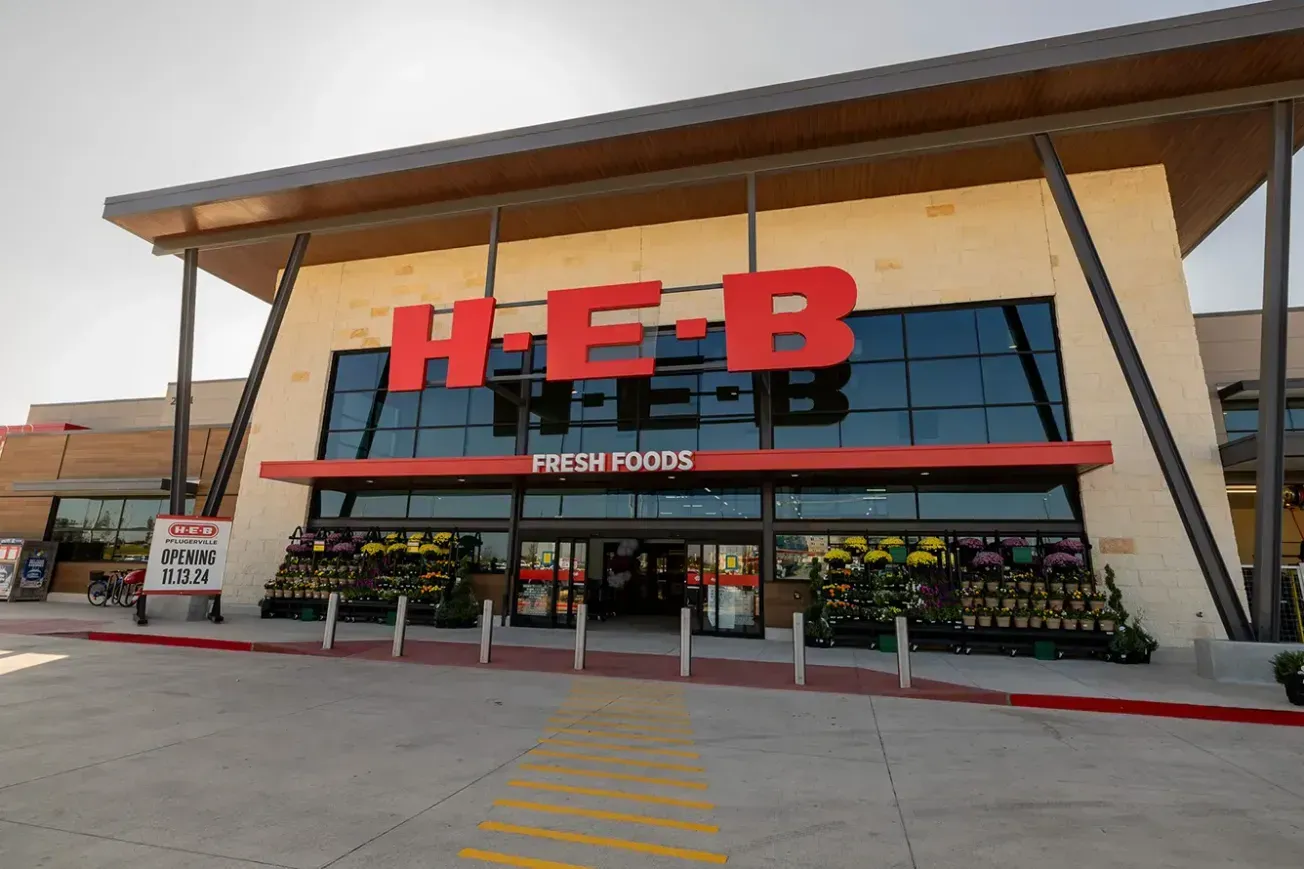
During remarks delivered at last month’s FMI Midwinter Executive Conference, Boyan, who is also the association’s chairman, spoke about what motivates the company.

In an AI-mediated marketplace, Sebok suggested, that distinction may be the difference between relevance and invisibility.

David Pinto looks ahead to the significance of the NACDS Annual Meeting in April.

New research from the Kearney Consumer Institute uncovers some hidden aspects of the trend, which, of course, has serious implications for both mass market retailers and consumer packaged goods companies.

‘High consumer engagement drives behavior change, better medication adherence and preventative treatments.’

AI investment has been a major growth engine for the U.S. economy.
David Pinto talks about the book Bob Kwait has written in cooperation with NACDS.

By Thom Blischok, chairman and chief executive officer of the Dialogic Group LLC.

By Sandra Hanna, CEO of the Neighbourhood Pharmacy Association of Canada

By Ron Piervincenzi is CEO of U.S. Pharmacopeia.


By Michael Hogue, executive vice president and CEO of the American Pharmacists Association