

Patient data: seeking to balance access and security
The continued digitization of electronic health records (EHRs) and growth in the number of wearables and Internet of Things (IoT) devices are rapidly expanding the volume of patient data.
The continued digitization of electronic health records (EHRs) and growth in the number of wearables and Internet of Things (IoT) devices are rapidly expanding the volume of patient data.

Now is the time for Food and Drug Administration reforms designed to dramatically increase the number of prescription-to-O-T-C switches in the U.S.
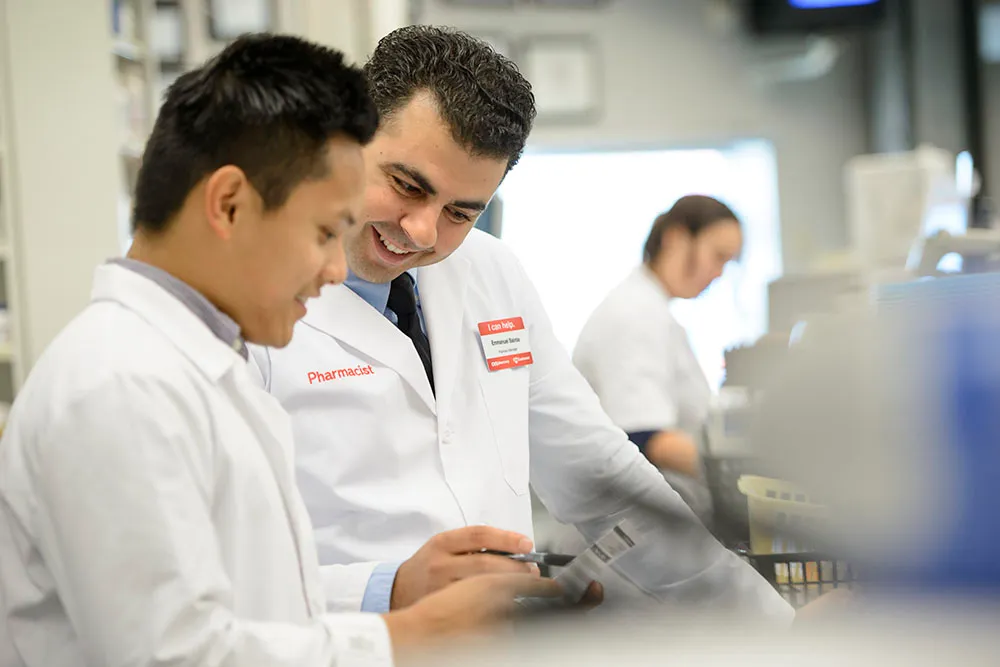
Perhaps the best way to begin the complicated story of generic drugs, and how using a data-based approach could help pharmacists, is to tell a bit about the rise of generics.

In Dr. Seuss’ (Theodor Geisel’s) last major book, Oh, the Places You’ll Go!, he put forth advice for recent graduates from almost any school: You have brains in your head. You have feet in your shoes. You can steer yourself. Any direction you choose. And you’re on your own.

In 2018, five national pharmacy associations and a growing number of state associations launched Pharmacists for Healthier Lives, (PfHL), a public education campaign targeting influential groups of consumers and health professionals.

legal proceedings in which it is asserted that retailers and drug wholesalers bear at least some responsibility for the ongoing opioid epidemic; the emergence of

or perhaps not so — was that these award winners were all women. They

Titration. In chemistry, it’s adding a reactant to a solution until a chemical reaction is achieved. The titration process might take numerous drops of reactant before its concentration is high enough to observe a noticeable change.
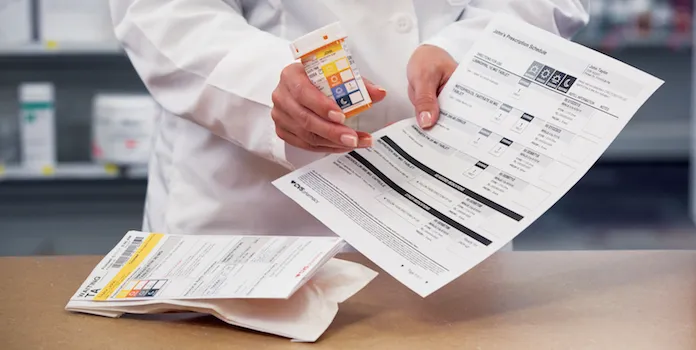
Earlier this spring, the National Pharmaceutical Council (NPC) partnered with the Healthcare Leadership Council to hold town hall meetings in Raleigh, N.C., and Nashville. We asked health care leaders in those communities what really matters to them.

Growth of the global pharmaceuticals and medical equipment industry gathered pace in 2018, with the Asia Pacific region and Western Europe registering the most substantial increases over the previous year, 8.2% and 8.1%, respectively, according to Euromonitor International.
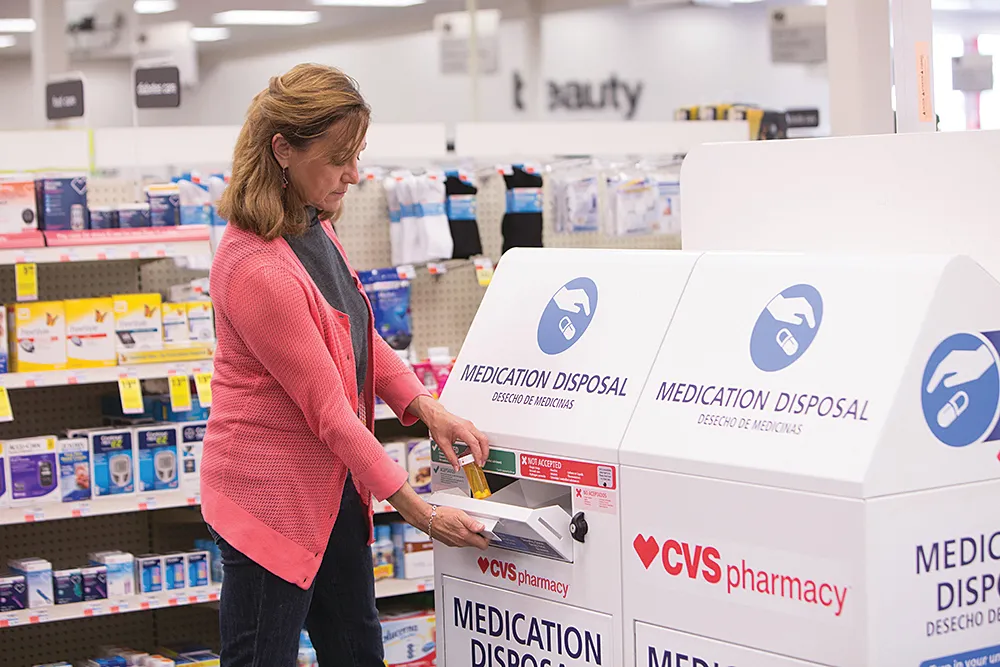
Chain drug retailing has thus far largely escaped the repercussions of the opioid epidemic, an ongoing tragedy which has seen so many people become addicted to pharmaceutical products that, when taken as prescribed and properly managed, can bring needed relief to patients with serious illnesses or i

a deal that was finalized last November — CVS Health is moving forward expeditiously to overhaul the health care delivery model. President and chief executive officer Larry Merlo and seven of his colleagues from the combined company’s management team recently laid

One trip to your corner drugstore and you’ll find an overwhelming number of sunscreens on the shelves; and every year it seems to grow.

The community pharmacy profession was blindsided by the Trump administration last month when the Department of Health and Human Services issued the final rule that will govern the Medicare Part D and Medicare Advantage programs in 2020.

Research from the University of Illinois at Chicago shows that when pharmacies close, people stop taking widely used heart medications — like statins, beta-blockers and oral anticoagulants — that have known cardiovascular and survival benefits.

At the same time mindsets have shifted toward taking care of one’s personal health and wellness, the natural space has expanded and a variety of purported “better for you” and “free from” products have emerged in food, health, beauty, wellness and other lifestyle categories.