Chain drug industry in period of transition
One-third of the way into the new year, the chain drug store industry is hardly setting any worlds on fire. Business is good, but noteworthy only in the fact that it’s not better.
Decisions about health care will increasingly be based on evidence that, when applied to the individual circumstances of a patient, supports the efficacy and cost-effectiveness of one course of treatment over another.
According to the Network for Excellence in Health Innovation (NEHI), up to approximately $290 billion a year is wasted on the improper use of medications. Evidence suggests the most effective way to drive medication adherence is to strengthen the relationship between patients and pharmacists.
At a time when the American political system and legislative process are, more often than not, characterized by gridlock, and the ongoing presidential campaign is riddled with examples of what are seemingly new lows in civilized discourse and rational debate, it’s refreshing to see moments when our
The Annual Meeting of the National Association of Chain Drug Stores is once again upon us, though the calendar year hasn’t yet budged beyond April. The significance of this annual meeting has nothing to do with the calendar, however.
and indeed exceeds — the hype. I am speaking of the vaunted Millennials, the 18- to 34-year-old age group who one would think (based on the all of the articles in the press) accounted for the vast
McKesson Corp.’s agreement to acquire Rexall Health from Katz Group is notable in several respects. The transaction alters the balance of power in the Canadian pharmacy market.
Fast Company, one of the more appealing and relevant business publications to have come along in recent years, recently compiled a list of the world’s 50 most innovative companies. Several familiar names were included, perhaps most notably to retail students, CVS Health.
The numbers are in for medication spending in the U.S. for the year 2015. And the story headline could read: Thank You, Generic Medication Industry. Another headline for the same story could read: Alarming U.S. Medication Cost Increase of 12% for 2015. Both headlines would be defensibly accurate.
This year, Chain Drug Marketing Association (CDMA) marks its 90th anniversary. To translate, the organization was begun in 1926. The date was three years prior to the Great Depression and 13 years before the outbreak of World War II.
After years of political and legal wrangling, the Centers for Medicare & Medicaid Services (CMS) has issued its final rule on Covered Outpatient Drugs, which governs reimbursement to retail pharmacies for generic medications dispensed under Medicaid.
Challenging conditions notwithstanding, advanced data science provides cause for optimism this year for consumer packaged goods marketers. That is the message of IRI’s latest Times & Trends report, “Taking Stock of CPG Past and Future: Gear Up Now for a Year of Growth.
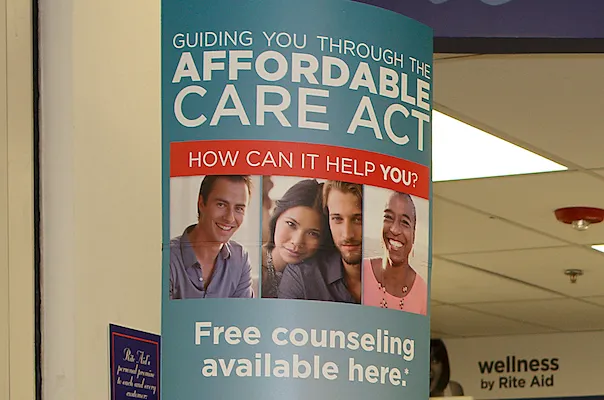
Clearly, health care reform will remain a contentious issue during the current presidential election cycle and beyond. The House of Representatives started the new year by voting to gut the Affordable Care Act.
The new year has begun inauspiciously for chain drug retailing, an industry that is still trying to assess the results of the just completed Christmas selling season. By all accounts, December was a month of no great accomplishments, even if it was not the disaster some observers predicted.
The mobile experience, including both websites and apps, can play a prominent role for those tracking their fitness and wellness, managing multiple medications, and/or managing an illness or chronic condition. According to Pew Research Center, nearly two-thirds of Americans own a smartphone.
In many significant ways, the chain drug store business looks very different at the start of 2016 than it did a year ago.