

New Narvar data reveals retailers aren’t ready for AI holiday shoppers
Research finds consumers' expectations are rising across the shopping journey, with nearly 30% expecting same-day or next-day delivery on free-shipping orders.
Research finds consumers' expectations are rising across the shopping journey, with nearly 30% expecting same-day or next-day delivery on free-shipping orders.

New NIQ & World Data Lab report reveals how consumer polarization is redefining value, accelerating private label adoption, and reshaping competition on the shelf.

Interactive report highlights VitaliG and Nitrosigine as ingredients that promote healthy aging by supporting healthy cellular function
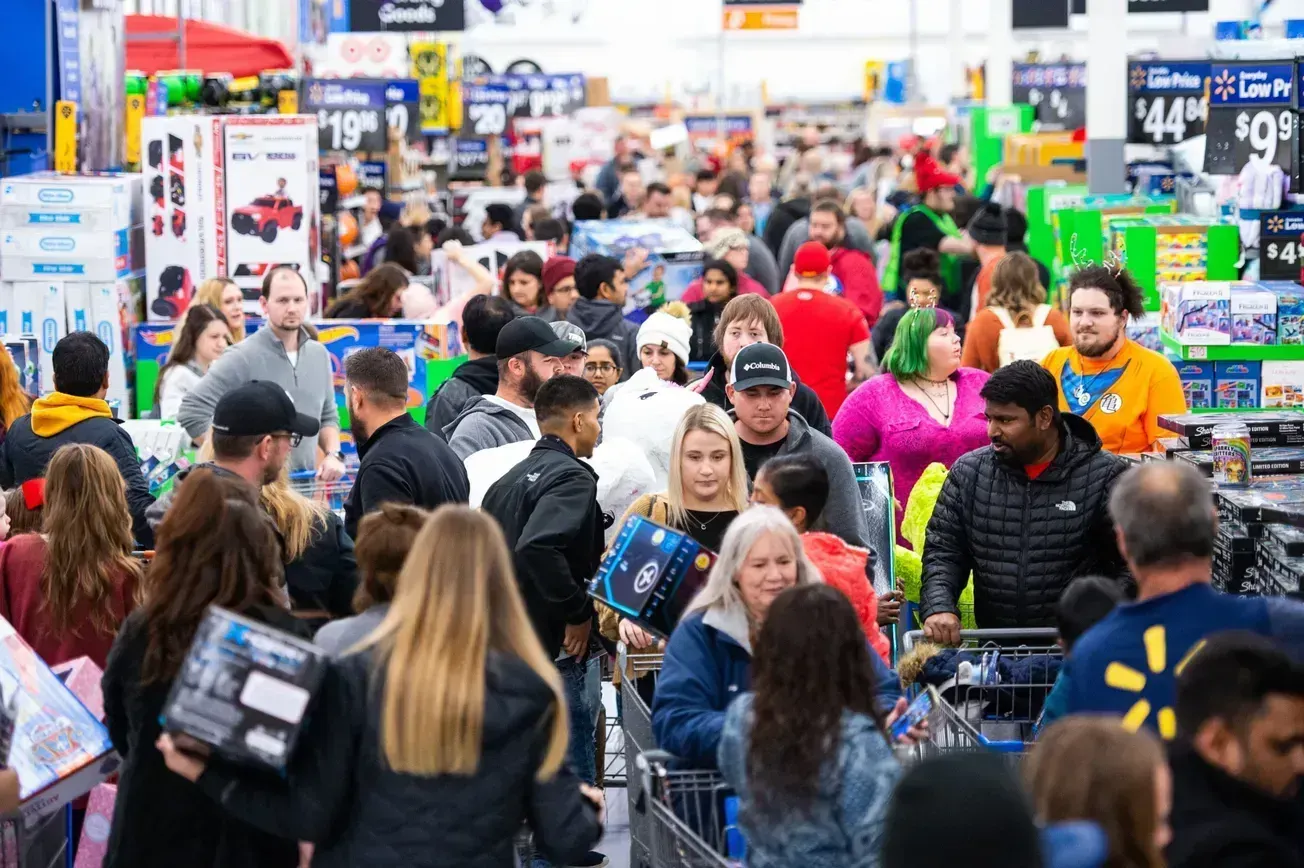
Minty’s new Smart Shopper Study finds consumers are turning to AI and cashback and savings apps, shopping earlier to uncover best values

New CVS Caremark research identifies GLP-1 management, biosimilars and digital tools as key opportunities to improve affordability.

WK survey finds three out of four pet owners want pet prescriptions from their retail pharmacy, creating new growth opportunities for pharmacies and pharmacy technology providers.

Prestige retail beauty sales increased 7% to $17.1 billion in the year through June.
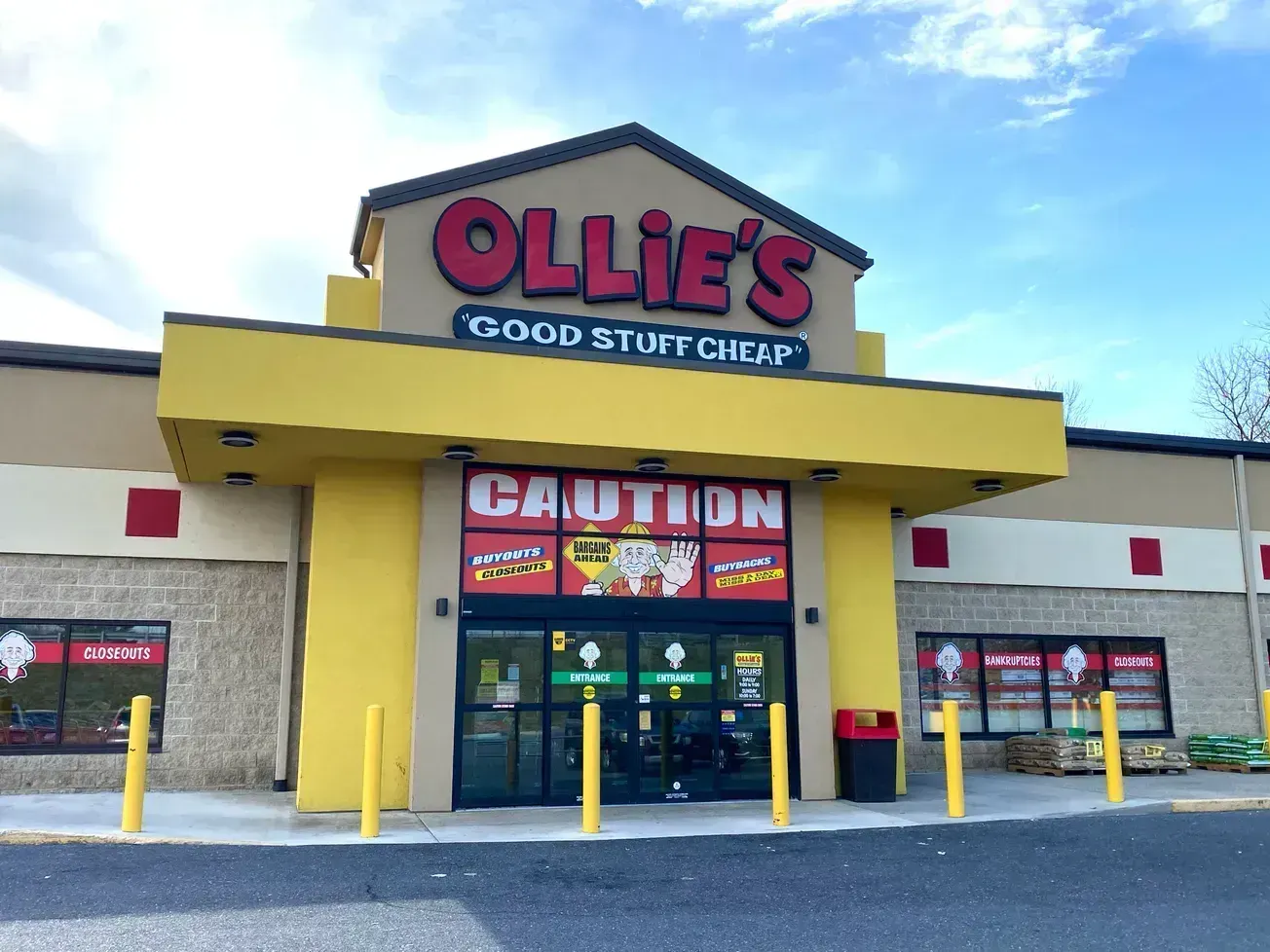
Nearly 60,000 shoppers reveal why good stuff cheap matters.


Faster delivery, growing online grocery networks, and easier price comparisons lower barriers to buying necessities online.
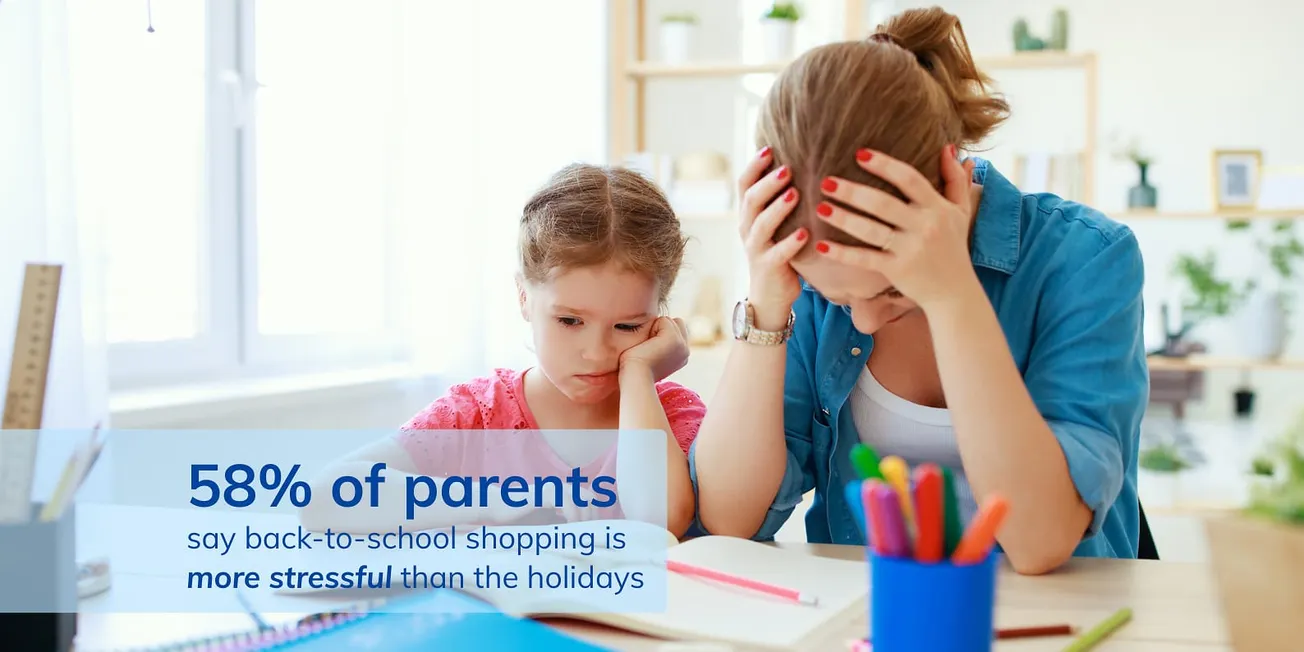
More than half of parents (58%) say back-to-school shopping is more stressful than the holidays.

U.S. manufacturing activity reached its highest level since May 2022 in July, while manufacturers continued to contend with elevated raw material costs and slower supplier deliveries.

The research, which is under embargo until July 29, suggests Gen Z is not retreating from socializing but becoming more intentional about how they spend their time, money and energy.

A new FMI report states retailers can grow by organizing beverage assortments around consumer needs and shopping occasions instead of traditional categories.
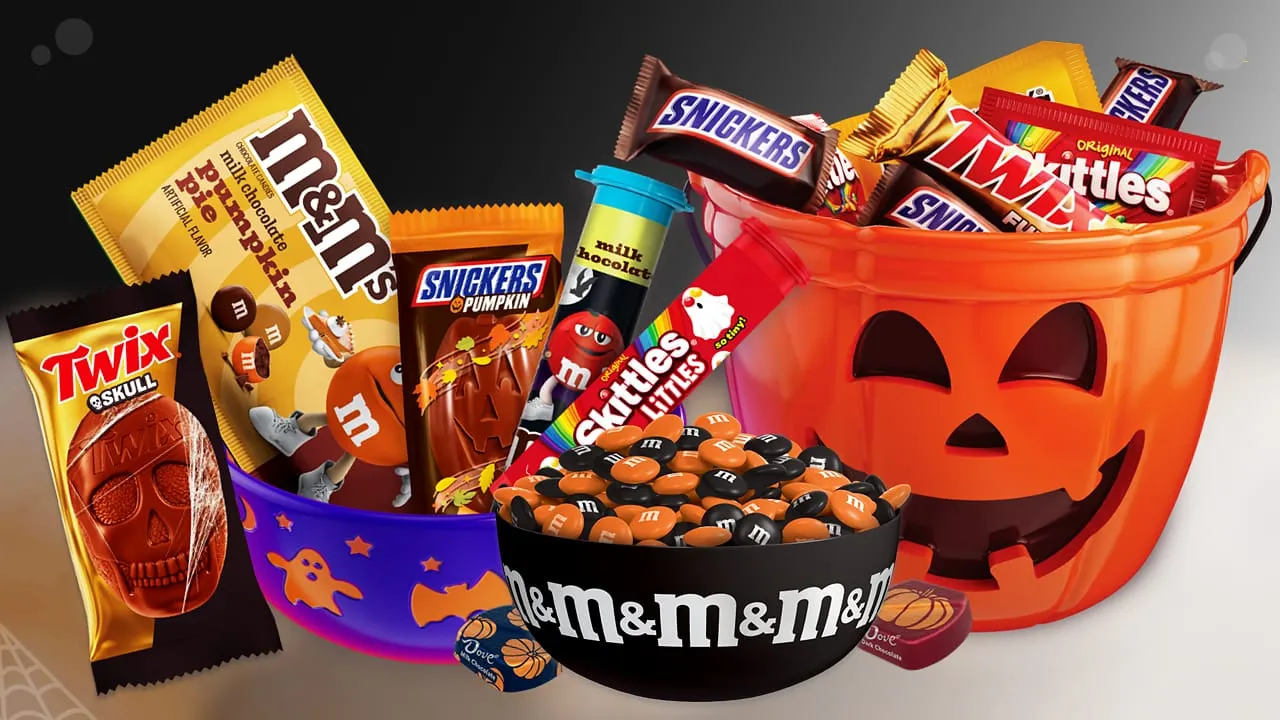
Driven by younger generations and the rise of Summerween, Halloween is becoming America’s longest seasonal shopping occasion, 2026 Mars report finds.
Research suggests consumers have permanently changed how they shop following the inflation surge.