By Dave Wendland
Having spent most of my career working across the retail supply chain, I have witnessed how the retail world is a forever shifting landscape. Operators are managing two fronts — ongoing struggles and emerging opportunities.
Virtually all retailers are in the midst of transformation. However, at the end of the day, there are only three primary levers of retail growth:
• Attract more customers to your stores.
• Sell more goods to the customers already in the store.
• Raise prices (transaction value), hoping to meet the delicate balance between too low and too high.
There are positive signs across brick-and-mortar stores. According to the Spring Retail Report issued by Colliers (colliers.com/en/research/nrep-usret-retail-report-spring-2025), physical stores are carrying more weight in the shopping experience. The study found that physical settings still account for three-quarters of core retail sales and e-commerce isn’t growing as quickly as it once was. Physical stores support online growth, drive foot traffic, deliver a hands-on retail experience and solve logistical headaches.
Walmart is casting a much wider net. It recently launched the Grow with US program. This initiative aims to help U.S.-based entrepreneurs bring their American-made products to Walmart’s shelves. This could be a much needed lifeline for small businesses navigating the complexities of retail.
Walmart’s strategy is largely focused on revitalizing its stores and improving profitability. Walmart is opening doors for small businesses, fostering innovation and growth. The company’s commitment to small businesses is evident. In 2024, over 60% of Walmart’s suppliers were small enterprises. This statistic underscores the importance of nurturing local talent. The annual Open Call event, which occurred in October 2025, allows small and medium-sized businesses to pitch their products directly to Walmart and Sam’s Club buyers.
Other forward-looking retailers have conducted similar open calls for innovation. Another example is Hy-Vee, which earlier this year conducted its Opportunity Supplier Impact Summit. This two-day event encourages engagement with small businesses and entrepreneurs across the country and is designed to support emerging brands by connecting businesses with key Hy-Vee decision makers.
In a post-pandemic world, retailers are focused on efficiencies such as automation, digital commerce and store fulfillment strategies. It is refreshing to see brands now focusing on prioritizing social interaction and experiential retail.
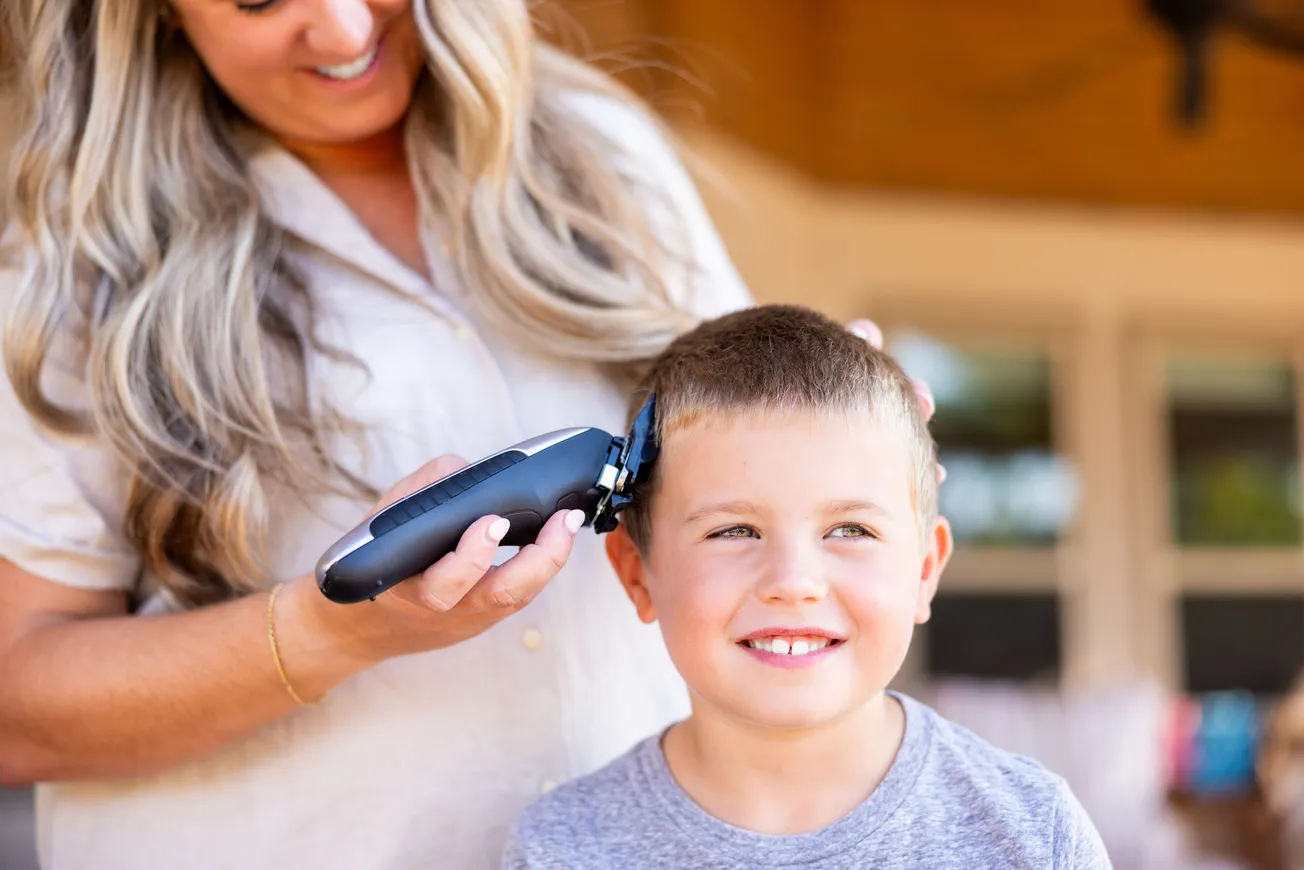
Retailers are becoming more intentional by designing stores that have been referred to as “third places.” This term, coined by sociologist Ray Oldenburg in 1989, describes the kinds of spaces that include public parks, community centers and even barbershops, which serve as a home away from home, where friends and neighbors can run into one another and pass the time. I’m eager to see inspiring spaces emerge that reignite in-store shopping.
I’ve watched with enthusiasm as retailers have increased their value proposition in several ways, including:
• Carefully curated assortments driven by AI-guided decisions (e.g., Amazon Rufus).
• Expanded footprints through acquisitions, mergers or partnerships (e.g., Dick’s Sporting Goods and Foot Locker, etc.).
• Focus on price reductions and additional consumer savings and value (e.g., Aldi’s newly launched private label; Giant Eagle’s reduction in prices across thousands of items, etc.).
• Placing a spotlight on “better for you” with reduced additives, synthetics and colors in products (e.g., Walmart).
In this increasingly dynamic environment, resilience and creativity are key. Those retailers who rise to the occasion will embrace change and seize opportunities.
Dave Wendland is vice president of strategic relations and a member of the HRG owner group. He participates in strategic planning, business development, product innovation and marketing communications activities for the company.