WASHINGTON — The NACDS Foundation’s work to position community pharmacies at the forefront of food as medicine is gaining national attention, with USA Today highlighting a research pilot that uses pharmacists to connect patients facing nutrition insecurity with healthier foods and nutrition support.
The September 22 article, “Why pharmacies are prescribing food as medicine,” prominently features the Community Pharmacy Produce Prescriptions Project (CP3), a collaboration between the NACDS Foundation and the Food is Medicine Institute at Tufts University’s Friedman School of Nutrition Science and Policy.
The article highlights the project’s use of community pharmacies, an existing healthcare infrastructure, to help bring food as medicine programs to more patients, including those in small towns and rural communities.
“One new research project hopes to pave more ready pathways to healthy food consumption — even for residents in small towns and rural areas — by building partnerships with a key infrastructure already widely available across the nation: local pharmacies,” the USA Today article states.
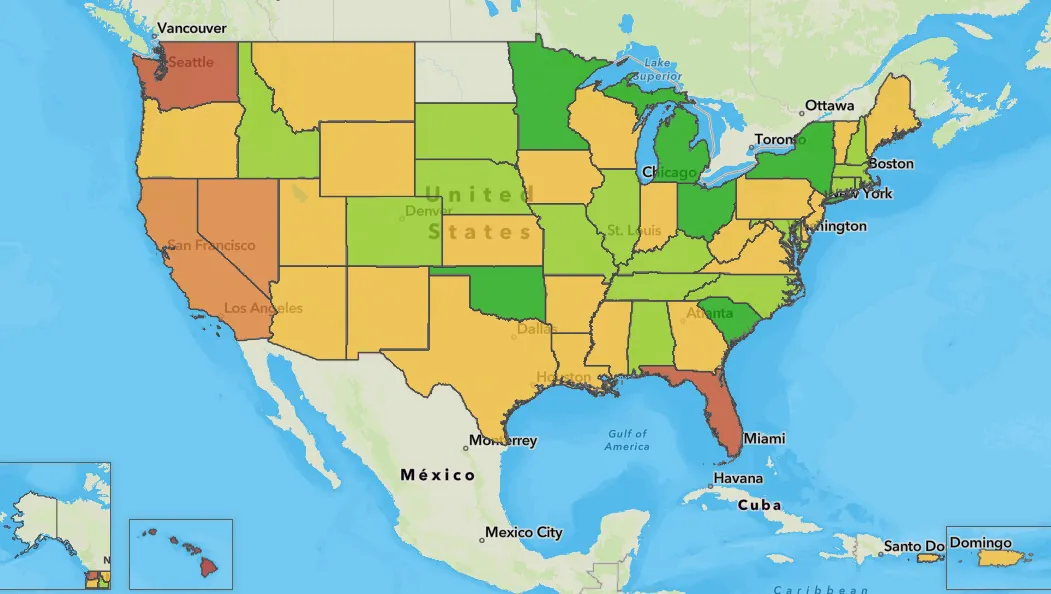
The six-month study is partnering with pharmacies at Kroger, Walmart and Hy-Vee and aims to enroll 600 participants across approximately 60 sites in 10 states. Participants must have diabetes or hypertension and experience food or nutrition insecurity.
Participating pharmacists screen patients and write Nutrition Prescriptions that provide at least $60 per month to buy nutritious foods, such as fruits, vegetables, beans, and seafood. Patients also receive nutrition education and support.
“A broad-scale evaluation of a pharmacy-led food is medicine intervention — in this case, nutrition prescriptions — had really never been done before, so we view this as sort of the first-of-its-kind type of study,” said Kayla McFeely, vice president of research for the NACDS Foundation.
Pharmacists track participants’ health measures, including blood sugar and blood pressure, as well as food and nutrition security. Researchers are evaluating whether the program can improve diet quality and disease-specific measures, such as A1c and blood pressure.
The USA Today coverage also emphasizes the accessibility and patient relationships community pharmacists can bring to food-as-medicine initiatives.

“Modern pharmacies have evolved beyond simply dispensing medication,” said Christie R. Boutte, president of the NACDS Foundation. “We are equipped to provide a broad range of preventative services, chronic disease support and patient education for our communities.”
Research in the CP3 project continues as participants complete their six-month evaluation periods.
Submit Your Press Release
Have news to share? Send us your press releases and announcements.
Send Press Release