By Scott Melville, president and CEO of the Consumer Healthcare Products Association
Today’s consumer health care landscape moves at the speed of social media. Wellness advice can go viral in minutes, headlines often outpace evidence, and consumers are unfortunately left to sort through a constant stream of conflicting claims about what works, what’s safe, and what’s real.
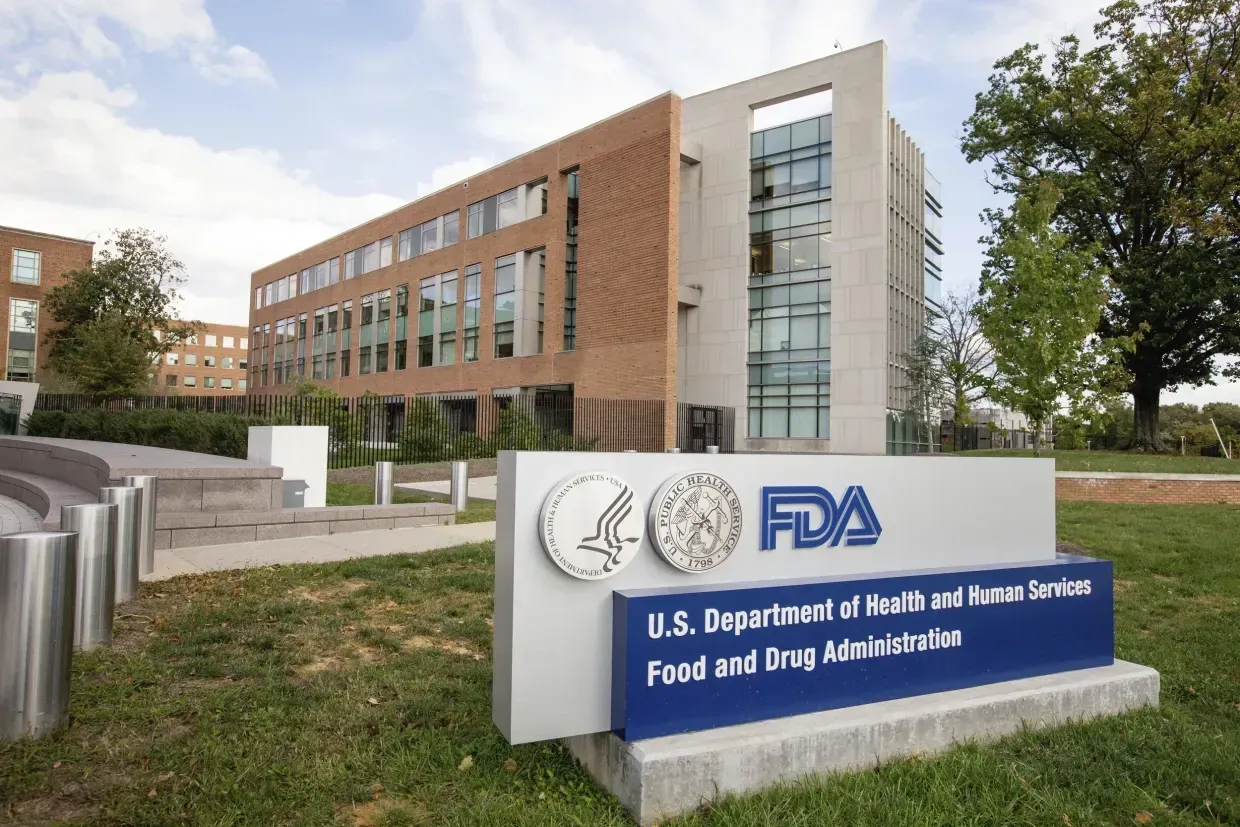
In this environment, the role of the Food and Drug Administration, serving as our nation’s gold-standard scientific authority, has never been more essential. That’s why moments of leadership transition inside the agency, especially within programs that directly shape the self-care marketplace, deserve careful attention from the retail and manufacturing communities alike.
|
Leadership Stability Matters to Innovation
Leadership transitions are a natural part of any institution’s evolution. But in an era marked by rapid innovation, widespread misinformation and intensifying public scrutiny, continuity of scientific expertise matters deeply. Institutional knowledge is not easily replaced, and momentum in complex regulatory programs can be difficult to sustain during periods of transition.
For manufacturers, and the retailers who rely on predictable product pipelines, FDA is not just a regulator, but a critical partner in translating science into health care products that fill your store shelves.
OMUFA Reauthorization Strengthens the Self-Care Infrastructure
One of the clearest examples of that partnership in action is Congress’s recent five-year reauthorization of the CHPA-backed Over-the-Counter Monograph User Fee Program (OMUFA), which marked a critical step forward for our nation’s self-care infrastructure. Enacted as part of a bipartisan continuing resolution that reopened the federal government, OMUFA’s reauthorization ensures continued progress under the modernized monograph framework that was first enacted in 2020, promising a new age of O-T-C innovation that will benefit consumers in many ways.
The reauthorization also provides FDA with clear direction in several key innovation areas, such as encouraging the use of innovative non-animal testing methods; modernizing U.S. standards for sunscreen filters already available to consumers abroad; and creating clearer, more predictable pathways for Rx-to-O-T-C switches.
For retailers, these reforms will lead to a stronger pipeline of science-backed self-care options, including the first new sunscreen filter in many years that the FDA proposed for approval last month. For manufacturers, they reinforce confidence that investments in innovation can move forward within a more efficient, transparent regulatory system. For consumers, OMUFA’s continued implementation means greater access to safe, effective and innovative products that support their daily self-care needs.
Aligning Regulation With Scientific and Market Progress
The same principle applies in the dietary supplement space. The supplement marketplace has evolved dramatically since the Dietary Supplement Health and Education Act (DSHEA) became law more than three decades ago. Consumer reliance has grown, science has advanced, and product innovation has accelerated, but the regulatory framework has not kept pace.
Manufacturers committed to quality and responsible innovation increasingly recognize that targeted DSHEA modernization efforts can strengthen transparency, reinforce consumer confidence and improve consistency across the marketplace. Priorities such as mandatory product listing, increasing inspection capacity, and clarifying FDA’s authority to better facilitate enforcement against unlawfully marketed products would enhance the agency’s ability to identify and more quickly remove illegitimate products from the market.
Patchwork Policy Making Undermines National Standards
In today’s health and information landscape, clear national standards grounded in science are essential, regardless of the product category, as is the need for strong federal enforcement to remove bad actors from the marketplace. Without uniform federal regulation of dietary supplements, as exists for O-T-C medicines, states will step in to fill the gap, creating a patchwork of requirements that will increase costs, impact product availability and deter innovation.
For retailers operating across multiple states, inconsistency in regulatory requirements creates added complexity and compliance challenges. For manufacturers, it fragments the national marketplace and slows innovation. And for consumers, it fuels uncertainty at a time when trust in health information is already under strain.
This is already visible in West Virginia, where dye restrictions enacted earlier this year apply to dietary supplements and diverge from federal policy. And while dietary supplements were ultimately exempted from final legislation signed into law in Texas and Louisiana, both states enacted new food labeling requirements, illustrating how quickly similar state-level approaches could extend to supplements in the absence of clear, consistent federal standards.
A strong, centralized FDA remains the best safeguard against this fragmentation, ensuring that science, not geography, determines people’s access to self-care products. CHPA will continue working diligently in 2026 to further strengthen federal authority over supplements and push back against a patchwork of state requirements.
A Call for Alignment, Not Fragmentation
As we look ahead to 2026, the self-care industry remains firmly committed to a regulatory framework that is science-driven, nationally consistent and built for modern innovation. OMUFA laid a critical foundation. DSHEA enhancements must follow. And policy makers must resist the temptation to fill federal authority and enforcement gaps with fragmented, state-by-state mandates.
In a moment when misinformation spreads faster than facts, the United States needs a strong FDA grounded in gold-standard science. The future of self-care, and the confidence consumers place in it, depends on sustained leadership, cohesive policy, and an unwavering commitment to evidence-based innovation and regulation.
Scott Melville is president and CEO of the Consumer Healthcare Products Association.
Submit Your Press Release
Have news to share? Send us your press releases and announcements.
Send Press Release