By Ed Rowland
The comedian George Carlin once noted, “Have you ever noticed that anybody driving slower than you is an idiot, and anyone going faster than you is a maniac?” The 2025 North American consumer health care market might be described as a story of idiots, maniacs and a few good speedy drivers.

A Year of Challenges
Given the business environment, it can also be argued that the driving conditions were awful: inflation, tariffs, some hard-to-fathom governmental actions, rising interest rates and over-leveraged balance sheets, to name a few. Maniacs, idiots and good drivers were all challenged. The year careened between large acquisitions, divestitures, a bankruptcy, portfolio realignments, a challenging innovation environment, industry work force shrinkage and leadership changes. It’s been a bumpy ride for decades starting with 9/11 to the ’08 Global Recession to COVID-19 to 2025’s challenges. One industry executive summed up 2025 as “sluggish just like 2024 was.”
Bricks-and-Mortar Struggle
While Digital, led by Amazon, stayed in the fast lane, traditional retail continued to struggle, albeit with some channel and individual company winners. According to DB6, 2025 North American Growth without e-commerce slogged along at around 0.5% from a higher than usual base. The growth came primarily from pricing, not units. The highway to digital from bricks-and-mortar continued in the fast lane. The drug chain world has been reduced to two major players, Walgreens and CVS, with the former in a state of flux with new private equity ownership. At long last, Rite Aid drove over the cliff into bankruptcy.
The Emerson Group’s “State of the Industry Review” highlighted several telling digital trends. Approximately 63% of all consumer health care sales are digitally influenced. While actual revenues are still 33%/67% in favor of stores, the consumer has transitioned faster to digital for product information. Most brand owners are probably underspending in this area. Bricks-and-mortar also alienated consumers with their draconian response to the problem of shrinkage. Ringing a bell and waiting for a store employee to unlock a high-ticket product will drive consumers to Amazon.
The drug channel, including both chain and independents, now stands at about 38,500 units, decreasing to roughly 2005 levels. It’s projected that by 2030, digital versus store revenues will be evenly split, and by 2032 Amazon will pass Walmart as the revenue leader. Adding further challenge to brand owners, pickup and delivery has grown to about 15% of industry volume, having tripled over the past three years. The growth is welcome, but it comes with a cost: lower foot traffic and impulse purchases.
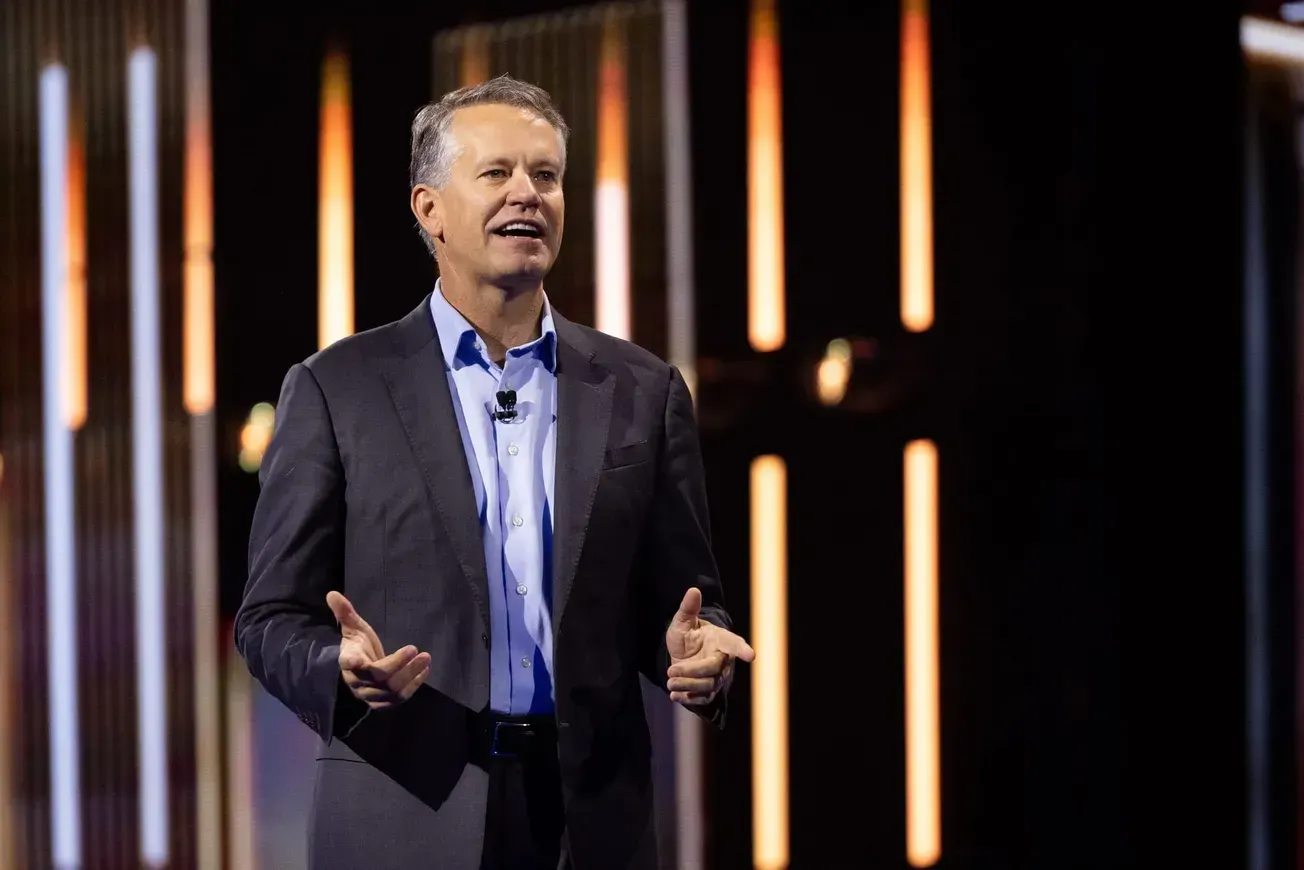
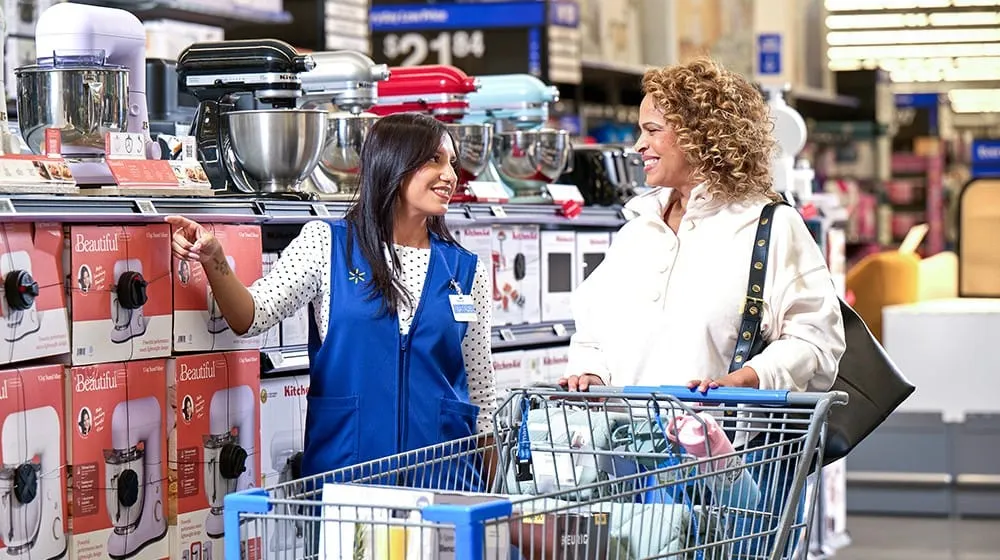
The club channel benefited the most from the drug channel’s decline, gaining about $1.2 billion in revenue. Industry giants like Walgreens and Walmart also shed large numbers of employees. Walmart trimmed about 20,000 employees, while Walgreens took out about 40% of its corporate staff. Both companies had leadership changes as Walgreens was sold to PE, which put in their chief executive officer, while the long-tenured Walmart CEO Doug McMillon announced his retirement in an orderly transition. Walmart has led traditional bricks-and-mortar in evolving to an omnichannel retailer, with a growing online business, a sharp EDLP strategy and optimal product assortment. McMillon will be a tough act to follow.
Amazon is speeding along and even accelerating. Logistics and health care ecosystem improvements will undoubtedly benefit its O-T-C businesses. This year’s Prime Days accounted for 0.3% of the entire 2025 consumer health care industry in just four days, according to Emerson. The robotic progress was astounding. By mid-2025, The Wall Street Journal reported that more than 1 million robots “worked” in Amazon warehouses and will soon outnumber humans. By year-end, robots were deployed in about 40 delivery/fulfillment centers, driving employees per warehouse to a 16-year low. Existing employees now oversee more sophisticated systems, but the future need for human employees is declining sharply. A Morgan Stanley analysis projects that by 2030 30% to 40% of warehouse volume will pass through next-gen facilities. Amazon will soon realize annual cost savings of $4 billion, and by decade-end that number will cumulatively be approximately $10 billion. In financial terms, Amazon will dramatically improve retail margins and realize an additional $170 billion in enterprise value.
Amazon continued to innovate in its health care ecosystem in 2025. A midyear reorganization resulted in six co-ordinated business units replacing veteran Amazon executives with a sprinkling of One Medical leaders in charge of health services, according to a CNBC report. The integrated efforts appear to be driving further change while leveraging the full Amazon infrastructure. Amazon bundled medical appointments with on-site kiosk prescription fulfillment and is pioneering virtual appointment pay-per-appointment children’s health services.
One Medical opened its first in-office pharmacy kiosks, enabling a seamless experience between appointments and prescriptions. The first kiosks opened in the Los Angeles area at the end of the year. Supporting the kiosks, the Amazon app allows consumers to fill prescriptions with real-time knowledge of upfront costs, discounts and co-pays. Payments are also made through the app. There’s even the possibility of secure video or phone consultation with an Amazon Pharmacy licensed pharmacist. One Medical also launched a Children’s Health pay-per-visit virtual clinic for a portfolio of “in-between” issues, allowing consumers without insurance to access medical assistance. A one-time fee for text-based visits starts at $29, while video consultations run $49. The service covers EpiPens, asthma prescription renewals, pink eye, head lice, asthma and 10 common skin-related issues including eczema, bug bites, contact dermatitis and fungal rashes.
Amazon also continued to lower consumer prescription prices. RxPass from Amazon Pharmacy provides unlimited eligible generics for $5 per month. Prime Days includes prescription medications as low as $1 per month. Both include free shipping. One Medical annual membership fees were cut in half from $199 to $99, and additional family memberships were also discounted.
The major retailers struggled in 2025. In drug, CVS, not without problems, seems to be performing better than Walgreens, while Rite Aid finally closed permanently. In midsummer, CVS acquired one of the few remaining smaller U.S. chains: Bartell’s 64 locations in the Pacific Northwest. When combined with 20 previously acquired Rite Aid locations, CVS was able to double its footprint in Idaho, Oregon and Washington. It’s notable that Kinney is the only small independent chain left. Observers cited Kinney’s ESOP ownership as the key divestiture hurdle.
CVS did have a major business setback in 2025. Its long-term care subsidiary Omnicare was found guilty of fraudulent prescription billing of the federal government and fined almost $1 billion. This triggered a court-supervised (but voluntary) Chapter 11 process, which allowed continuing operations while CVS evaluates the future of long-term care as part of its portfolio.
In 2025, Rite Aid closed all its stores nationwide for good after its second bankruptcy. After divesting almost 2,000 stores, bringing in new leadership, lowering its debt level and having some funds to move forward, private ownership had some reason for optimism, but a tough retail environment and legal challenges including opioid liability were too much.
In late summer Walgreens transitioned to a private, stand-alone company being acquired by the private equity firm Sycamore Partners. Outgoing CEO Tim Wentworth noted that PE ownership would “accelerate our turnaround,” acknowledging the stagnant state of the chain. The deal also includes equity interests in VillageMD, Summit Health and CityMD businesses. One brand owner noted the departure of Tracey Brown, the talented executive who ran Walgreens’ front end of business, was particularly troubling.
The deal structure tied the previous equity owners to Sycamore’s success. A new CEO, Mike Motz, former CEO of Staples US Retail and former president of Shoppers Drug Mart, was brought in, while Wentworth remained on the board. Walgreens executive chairman Stefano Pessina was obligated to reinvest 100% of his proceeds in the new company. Motz emphasized a back-to-basics approach: “We are renewing our focus on our core pharmacy and retail platform …”
Emerson cautioned clients to stay engaged with Walgreens, given its size. Its “State of the Industry” reminded us that Walgreens operates about 8,500 stores across the USA and Puerto Rico. Sycamore has already indicated that the initial focus will be on the top 85% of stores (almost 5,900 outlets). This means that there is an intent to close over 2,500 stores over the next few years. One industry insider suggested that Walgreens needs a big next step like CVS and Aetna. Perhaps private equity can navigate that route while cutting costs.
Meanwhile, Target is plotting cautious growth, opening about 20 new stores in 2025 and forecasting 300 over the next decade. The expansion focuses on its larger-format stores with a portfolio of services including pickup, same-day delivery, and targeted store-within-a-store services like CVS Pharmacy as well as Starbucks and Apple.
Bumpy Ride for Major Players
Brand owners had a bumpy 2025. Leadership changes at the major players, Haleon (CMO), Kenvue, Opella and Unilever reflect an industry in flux. Several brand owners indicated that they are deploying AI focusing on logistics, marketing efficiencies and retail side optimization. One smaller brand owner noted, “no staff cuts, but we are using AI in logistics and marketing.” Brand performance was uneven, mostly delineated by revenue size and ownership. According to Emerson, small and medium-size brands grew at about 1.9%, while large company mega-brands actually declined by 1.2%. Even more telling was the ownership picture. PE-owned brands grew by 9.7%, privately held company brands by 11.3% while publicly traded company brands lagged at a stagnant 2.2%.
Prior to the rather surprising Kimberly-Clark deal, Kenvue had gone through a major leadership change in July, removing CEO Thibaut Mongon and trimming 22,000 employees. The deal will close sometime in mid-2026 resulting in a consumer health care and wellness giant with 10 brands each with over $1 billion in revenue. The corporate headquarters will move from New Jersey to Texas. Post acquisition there will be more layoffs, as there is an announced $1.9 billion in identified synergies.
The year also included brand M&A activity that will most likely continue into 2026. In July Reckitt sold its Essential Home Division to the PE firm Advent for $4.8 billion while maintaining a 30% equity interest. Presumably the sizable proceeds will be redeployed to CHC efforts.
The VMS category was marked for divestiture by two major players. Relatively recent CHC newcomer Nestlé initiated a strategic review of its VMS portfolio, which notably includes NBTY. The company is signaling that the category does not fall under Nestlé’s definition of premium products; it’s a commodity that doesn’t lend itself to building higher margin and critical mass. Once the darling and Church & Dwight growth driver, the company exited the VMS business at year-end, divesting to Piping Rock.
Government Gets Involved
Governmental activity in 2025 was sometimes hard to fathom and in a few cases quite important. One smaller brand owner focused on tariffs and HHS and FDA leadership. He described the tariff situation as leaving “the same feeling in my gut as supply chain issues during COVID.”
In September, President Trump amplified the unfounded claims that Tylenol was a source of autism if used during pregnancy. In addition to the troubling lack of scientific basis for these comments, the public statements centered on the brand and not the active ingredient acetaminophen. Then in October, Secretary of Health and Human Services Robert F. Kennedy Jr. followed up by announcing a link between Tylenol and autism, followed by Texas State Attorney General Ken Paxton filing a lawsuit accusing J&J and Kenvue of failing to warn consumers of the danger. Kenvue immediately responded that the suit was “scientifically unfounded litigation.”
The Tylenol drama was dwarfed by the questioning of various vaccines, notably but not limited to COVID-19. The high-profile termination of Susan Monarez, the former director of the CDC (Centers for Disease Control and Prevention), along with the resignations of several other top agency officials, was linked to a clash with Kennedy over vaccine policy. Only one variant of the COVID-19 vaccine was approved for young children, and all vaccinations for people 17 and under required a consultation. State level activity was even more controversial as Florida planned to end mandatory measles vaccinations. On the other side of the spectrum, the West Coast governors of California, Oregon and Washington formed a “health alliance” that would coordinate vaccine recommendations for COVID, flu and many childhood immunizations. Their intent was to protect the public from what they called the “politicization of science.”
Hemp-derived THC products, legalized by the 2018 Farm Bill, were threatened by a provision included in a November government funding package. The potential rule change centers around the 0.4% level or cap for THC, but now it will include THC isomers, which pumps up the potency. As one elected official stated, “This is not one year to a ban. This is one year to regulate.” One industry attorney noted, “There are more than 40 states that regulate hemp-derived THC in a way that can be scaled to the federal level.” This battle will play out in 2026. On the flip side, President Trump also posted about the potential benefits from the use of cannabidiol in senior health care and potentially reclassifying and easing criminal penalties for the use of marijuana. Hemp-derived CBD could “revolutionize senior health care” according to his Truth Social post.
Marijuana, under the Controlled Substances Act, is still listed as a Schedule I substance (high potential for abuse and no current accepted medical use), while the potential for moving it to a Schedule III substance (moderate to low potential for dependence) has been under consideration under both the Biden and Trump administrations. It’s challenging to modulate active ingredient levels for both CBD and THC, which can differ for consumers.
In July, the FDA surprisingly allowed the vaping brand Juul to keep its e-cigarettes on the adult market. Regulators cited Juul’s studies that concluded that e-cigarettes are less harmful than tobacco. Juul had previously removed several fruit and candy flavours favoured by teens after costly legal setbacks that claimed that the company was targeting minors. Juul CEO KC Crosthwaite commented that the company had made a “scientifically sound case for the role that menthol can play in e-vapor” to lower intake of nicotine and other deadly carcinogens.
Innovation Challenge
The CHC industry has long faced an innovation challenge that accelerated in 2025. Innovators have no obvious avenue to launch and nurture new products. Both CVS and Walgreens are demanding 50% margins while rapidly closing large numbers of stores, consolidating shelf space and offering fewer brands. Access to independent pharmacy is controlled by a handful of wholesalers. Amazon and Walmart are also prohibitively expensive. Every channel has its own private label. One industry leader also observed that “most O-T-C decisions [are] being made by non-O-T-C people.”
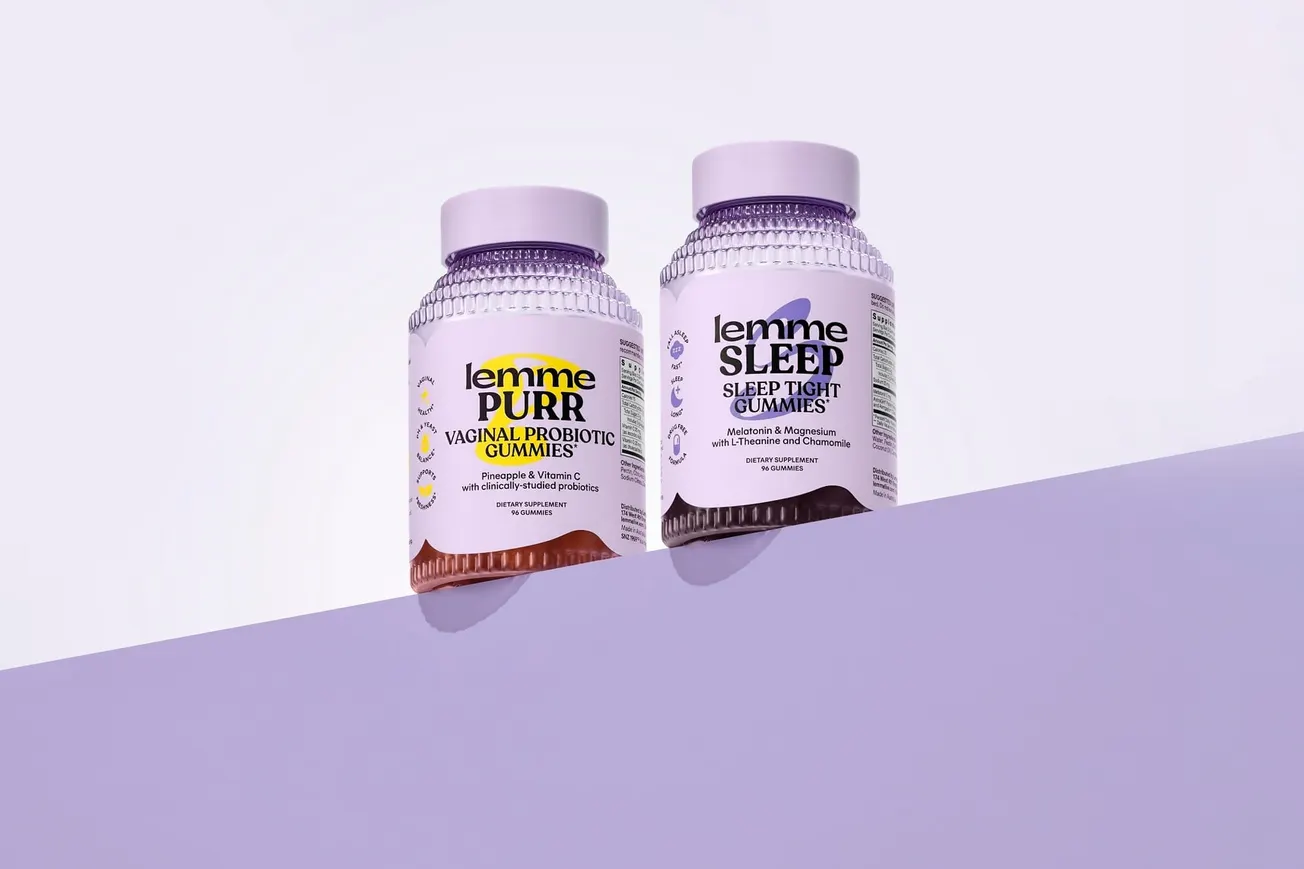
One industry observer listed “wearables/ in-home, sleep and gut health” as the 2025 growth categories and online as the best route to scale. Still, none of these categories drove sizable growth, and an online launch could be considered the best among no good choices.
It appears that the largest potential growth category for the industry is weight management supplements. While it’s highly unlikely that GLP-1s will ever be approved as an O-T-C, adjacencies offer opportunity. One industry insider summariszed several key categories and trends with a concise “VMS down, probiotics even, prevention down and treatment up.” Another small company leader cautioned that creating a science-based supplement product is still a challenge. Anything that addresses “brain, cardiovascular or ageing” would probably be the most successful. There was another negative “side effect” of the explosion of GLP-1s: Employers are scaling back overall health care benefits, given the system spike from GLP-1 costs. Novo Nordisk’s Wegovy and Eli Lilly’s Zepbound list for over $1,000 monthly, and coverage plans are picking up part of the tab. Lastly, the trade will be cautious with GLP-I adjacencies as it does not want to repeat the overhyped, underperforming CBD experience.
There are also new players from the mainstream food and beverage world dabbling in GLP-1 weight management adjacencies. Danone is addressing the potential GLP-1 side effect of muscle retention with a line extension of its drink brand Oikos Fusion, a smoothie packing vitamin D and whey protein. Conagra started labelling its Healthy Choice frozen meals GLP-1 friendly. Nestlé launched Vital Pursuit, frozen pizza and pasta bowl offerings with enhanced protein. PepsiCo launched Prebiotic Cola. Even Cheerios added a protein-fortified line extension.
The natural channel, broadly defined, is sometimes a vanguard of innovation. It too is challenged. This channel has also lasered in on GLP-1-inspired protein products as well as low- or no-sugar SKUs. Supplements that address stress, sleep or mood are also appearing but face the usual question of scientific basis for claims.
In the past, Natural start-ups strived for top-line growth at all costs as this was the expected route from investors. Now, profit and EBITDA are in. One observer stated, “it’s a $100 million and 10% EBITDA world now.” In effect, it’s pay-as-you-go with little room for investment spending, which is not conducive for risk taking. The natural channel is making some notable structural progress. There are two major trends that could become mainstream: ultra-processed food certification and regenerative farming. In one of the few areas where this channel would find common ground with HHS positions, a certification for the degrees of processed foods is in the works. While not a product or brand, this certification could trigger a tsunami within the food industry. Ultra processed foods will be called out.
Regenerative farming is the next step in the organic and sustainable pyramid. The main thrust is to holistically build health into everything. It starts with increased soil fertility and carries on to the health of the whole farming ecosystem encompassing animals, farmers, workers and ultimately the entire community.
Conclusion
Overall, the 2025 North American CHC road was a challenging year for traffic going too slow, too fast or cruising at the right speed. Trade and brand owners both saw major events from M&A, portfolio divestitures, a bankruptcy and leadership changes with the added hazards of unpredictable governmental factors thrown in. The innovation ecosystem has seemingly closed the road for the launching and nurturing of new products. The leading growth potential came from supplements serving adjacencies for prescription weight management GLP-1s. It’s not clear if maniacs were driving the changes or the idiots were sitting back and not adapting to change. There were a few good drivers throughout. Hopefully they took the right roads.
Ed Rowland is the principal of Rowland Global LLC (rowland-global.com). This piece was first published by the Nicholas Hall Group of Companies.