Supermarkets continue to emerge as essential, neighborhood-based hubs for diabetes prevention, education and ongoing care. By integrating services such as convenient health screenings and tailored dietary guidance, along with easy access to affordable, nutritious foods, these settings complement traditional primary care and help close long-standing gaps for populations with limited access to medical services.

GLP-1 medications are quietly transforming the makeup of grocery carts across America. With one in eight U.S. adults reporting they’ve used a GLP-1 for weight loss, shopping behaviors are shifting away from sweets, salty snacks and sugary beverages, and toward fresh, high-protein and fiber-forward foods. Weis Markets dietitians, who are embedded in the retail environment, show how those patterns are evolving and why the signals suggest this is a lasting behavioral shift in how the country shops and eats, not just a passing trend.
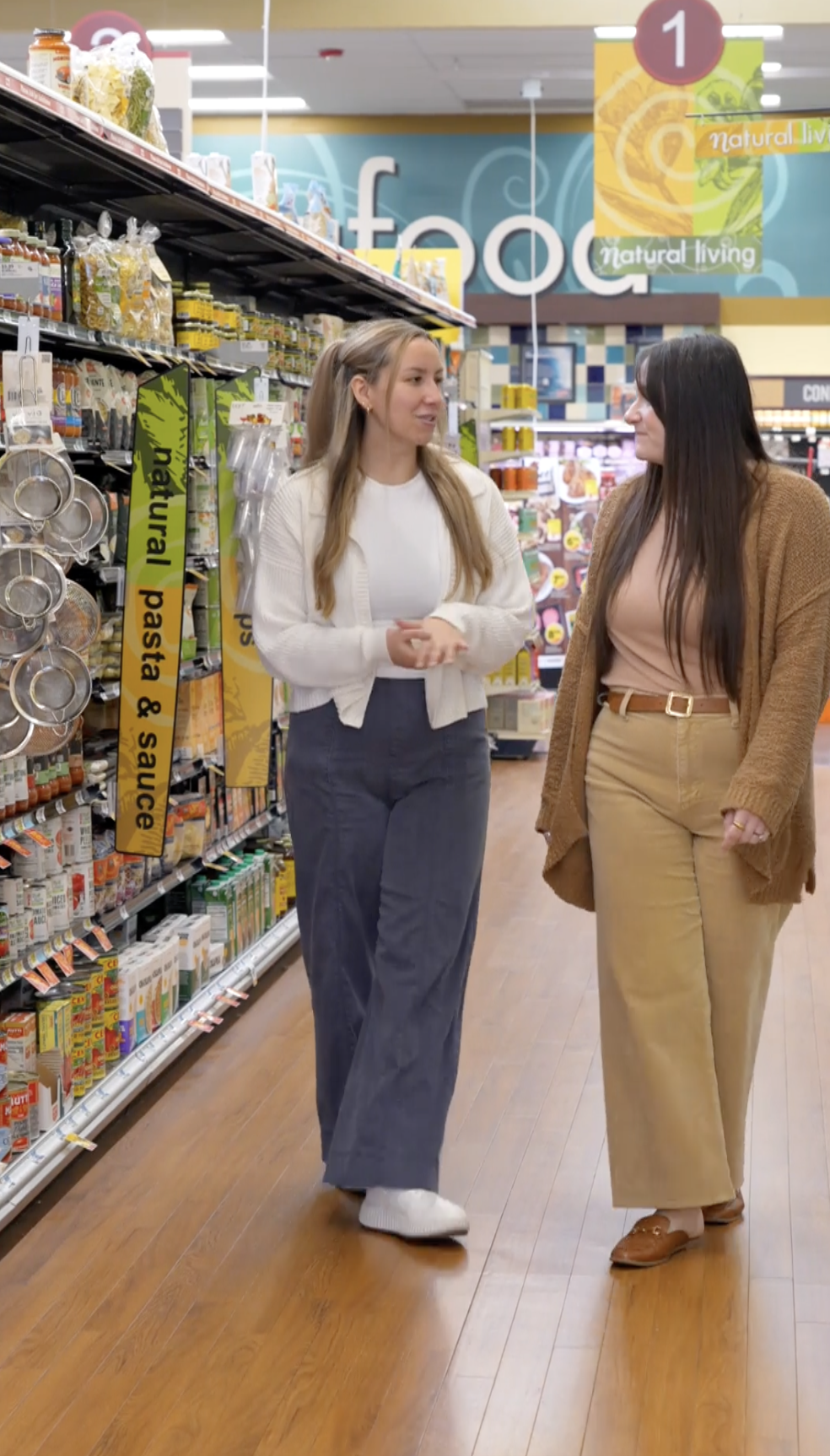
The high-protein, high-fiber, portion-conscious eating patterns these medications reinforce closely mirror how millions of Americans are already managing chronic conditions like diabetes, cardiovascular disease and metabolic syndrome.
Melissa Logan, a Weis Markets retail dietitian, says everything a person needs to succeed with healthier eating habits is available at the grocery store. “Our Weis Markets dietitian team can provide tips to help you choose both nutritious and affordable options, like planning your proteins for the week, using the weekly circular to see what’s on sale and utilizing available rewards programs and e-coupons.”
Logan says meat, eggs and dairy have always been popular options, and lately she is also seeing a bigger draw to protein snacks. Since protein foods are often some of the more expensive items in customers’ carts, trying plant-based options like tofu, tempeh, and even just beans and lentils can be a budget-friendly way to mix things up.
She notes that fiber-forward is a big theme. “Beans are incredibly underutilized despite being low in cost while high in nutrition. You can toss them into almost any dish to increase the fiber and protein content, while lowering the cost per portion. I also encourage shoppers to stick to a handful of fruits and vegetables they genuinely enjoy instead of buying ones they think they should eat, which often leads to waste and less enjoyable meals.”
She points out that almost all Americans, regardless of what health concerns they have, could stand to improve their fiber intake with fruits, vegetables and whole grains. “We see so much benefit from adding more of these foods into our diets, like lower cholesterol, more balanced blood sugar levels, improved energy levels throughout the day and increased satiety.”
Logan says the nutrition team tailors guidance for different needs (blood sugar management versus heart health versus weight management) while keeping it simple and doable. “I always encourage people to start with the basics and build gradually from there. While each health concern has its own nutrition recommendations, there’s often a lot of overlap in the foods we’re encouraging people to choose more or less often. For example, foods high in saturated fat are often also higher in added sugars, so focusing on heart-healthy choices may also support blood sugar management as an added benefit. Making a few simple, sustainable changes can often improve multiple areas of health at once without feeling overwhelming, she says.”
If she had to give shoppers one rule of thumb for building a basket that’s protein-forward, fiber-forward and affordable, she says simple is best. “I often see customers picking several complicated ‘healthy’ recipes to make for the week, loading up their carts with trendy snacks and products, and then feeling overwhelmed by the cost and the process. Good nutrition doesn’t have to be complicated or expensive. Start with a few easy meals, include a variety of foods and colors from each food group, and build from there. And remember, our Weis Markets dietitian team is always here to help.”
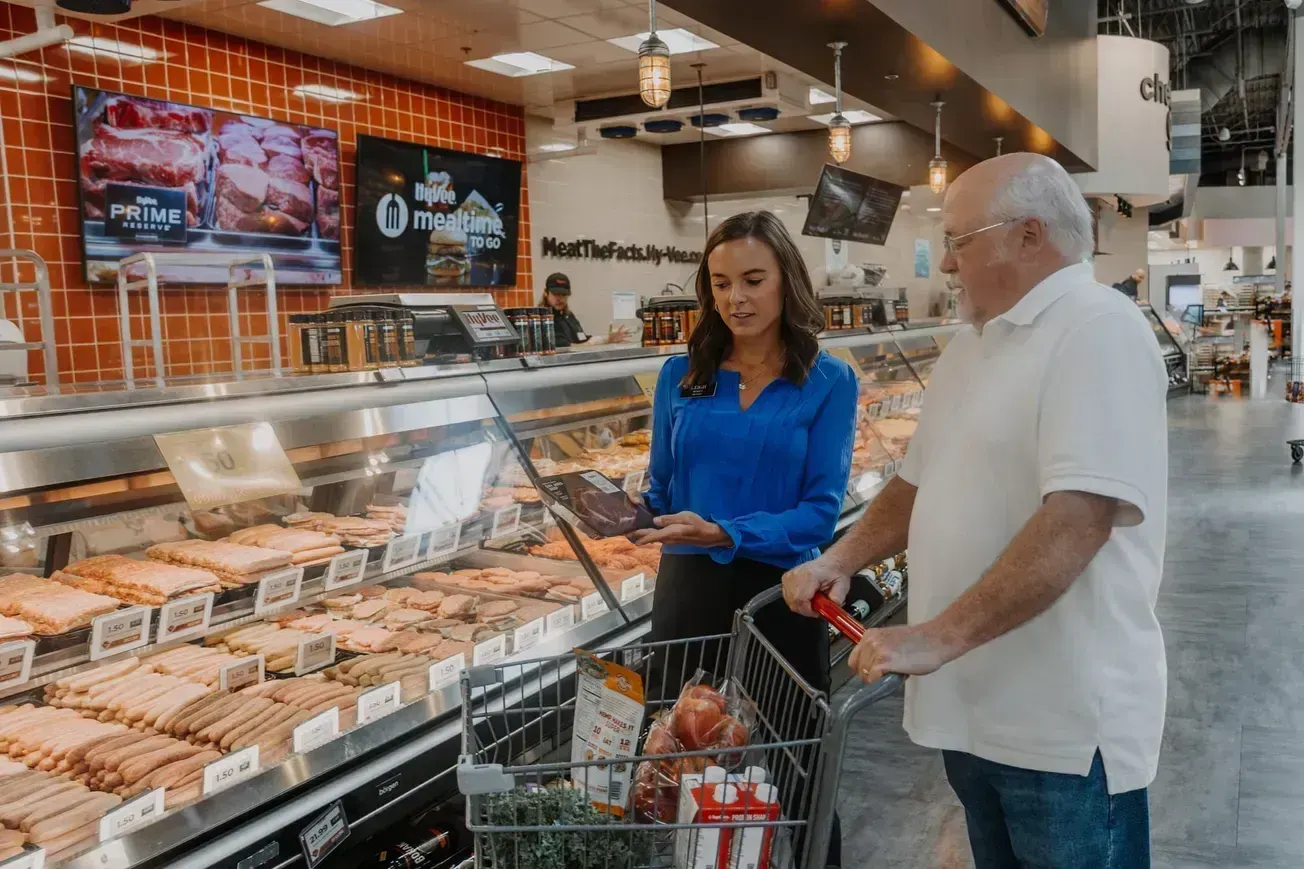
From navigating high-protein options in the meat and seafood departments to identifying fiber-rich staples across produce and center-store aisles, Weis Markets dietitians offer straightforward guidance on how to fill a grocery basket with healthy, nutritious options that don’t break the bank.
To help support customers throughout their health journey, Hy-Vee’s registered dietitians introduced earlier this year a line of frozen medically tailored meals called Dietitian Dishes.
Available in the frozen section of Hy-Vee’s HealthMarket department and online, Dietitian Dishes come in more than 15 varieties of nutrient-dense, single-serve options and include flavors like Egg Roll in a Bowl, Braised Beef, Mediterranean Chicken, Spicy Layered Chicken Enchiladas and more.
The retailer plans to continue expanding Dietitian Dishes over time to include more meal options that can fit specific health and dietary needs.
Hy-Vee also announced that its annual register round up for Breakthrough T1D, formerly JDRF, the leading global type 1 diabetes (T1D) research and advocacy organization, raised $290,661 for the nonprofit.
Throughout April, customers rounded up their purchases at the checkout to support Breakthrough T1D’s important mission of accelerating breakthroughs on the path to cures for the disease.
“Breakthrough T1D is incredibly grateful to Hy-Vee for their steadfast generosity and support of Breakthrough T1D and the entire type 1 diabetes community. Their commitment and fundraising contribute to critical research that is driving breakthroughs and improving the lives of those living with type 1 diabetes,” says Brett Collins, Breakthrough T1D’s vice president of corporate and institutional giving. “Our partners are an essential part of the work Breakthrough T1D does every day, and Hy-Vee’s annual campaigns demonstrate their dedication to empowering their employees to provide a helpful smile in every aisle and beyond.”
“Hy-Vee is proud to contribute to Breakthrough T1D’s crucial work in finding cures for type 1 diabetes,” says Tina Potthoff, senior vice president of communications at Hy-Vee. “We are thankful for the continued generosity of our customers, who have proven that even a little bit of change adds up to make a big difference.”
Finding cures for T1D is personal for Hy-Vee. In 1921, company co-founder Charles Hyde’s son Paul died from juvenile diabetes at 8 years of age. Since 1998, Hy-Vee has been a trusted Breakthrough T1D partner, raising more than $20 million for the organization through in-store campaigns and fundraising.
Earlier this year, ShopRite rolled out Wellness Your Way Starter Kits, a free and limited-time offering designed to support customers beginning GLP-1 medications for weight management. Customers filling their first GLP-1 prescription at a ShopRite Pharmacy received a complimentary kit while supplies lasted.