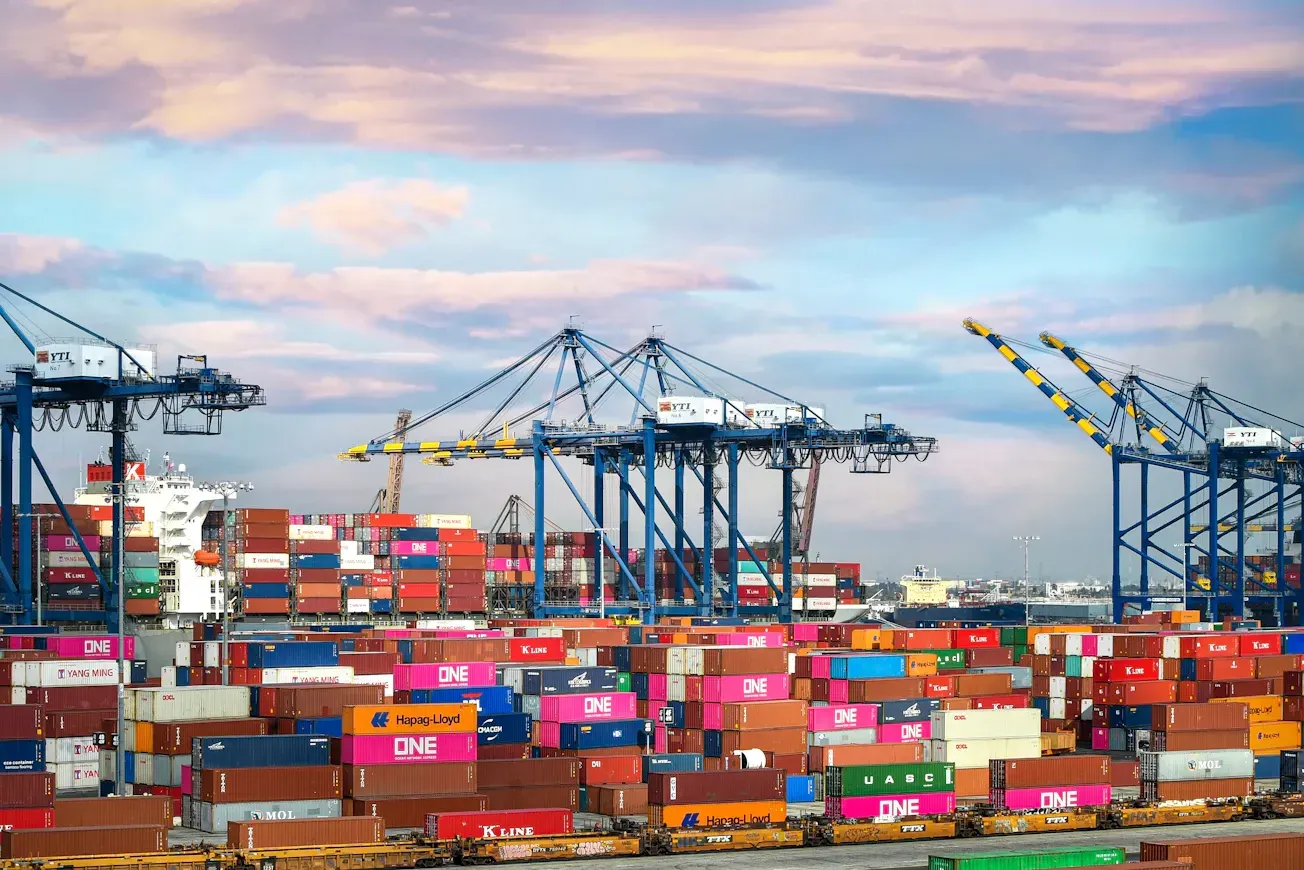
WASHINGTON — The peak shipping season at the nation’s major container ports is lasting longer than expected, with September now forecast to become the busiest month of 2026 as retailers continue bringing in merchandise to meet resilient consumer demand.
U.S. ports covered by the National Retail Federation and Hackett Associates’ Global Port Tracker are expected to handle 2.31 million Twenty-Foot Equivalent Units (TEU) in September, up 9.6% from a year earlier and slightly above July’s volume of 2.3 million TEU.
The forecast represents a significant shift from expectations earlier in the year. As recently as August, May’s 2.24 million TEU appeared likely to be the high point for 2026 after retailers accelerated imports to get ahead of potential tariff increases. Instead, elevated cargo volumes have persisted, extending the peak season into its traditional late-summer and early-fall period.
“We thought the peak season would be mostly behind us by now, but that’s not the case,” said NRF Vice President for Supply Chain and Customs Policy Jonathan Gold. “Some of the shift from earlier in the summer to now is because of vessel delays due to bad weather in China and some rerouting away from the Panama Canal amid potential drought conditions there. But consumers keep buying despite tariffs, inflation and high fuel prices, and retailers keep bringing in merchandise to meet demand.”
July, the latest month for which final figures are available, saw the ports tracked by Global Port Tracker handle 2.3 million TEU. That was up 3.2% from June but down 3.9% from July 2025.
August volume, which has not yet been reported, is projected at 2.29 million TEU, down 1.3% year over year.
Hackett Associates founder Ben Hackett said imports have remained stronger than might have been expected given the economic and geopolitical pressures facing retailers and consumers.
“Imports have remained buoyant over the past three months despite several hurdles,” Hackett said, pointing to tariff increases as well as inflation and rising fuel prices related to the conflict in Iran. “Retail sales remain strong and cargo is moving relatively smoothly, although there are reports of vessel delays and increased times required for cargo to move through the supply chain.”
Import volume is expected to ease following September. October is forecast at 2.11 million TEU, still up 1.7% from a year earlier. November is projected at 2 million TEU, down 0.9%, while December is forecast at 2.03 million TEU, up 1.1%.
If those forecasts hold, the ports covered by the report would handle 25.7 million TEU for all of 2026, a 1% increase from 25.4 million TEU in 2025. The first half of this year totaled 12.7 million TEU, up 1.1% from the comparable period last year.
Looking into 2027, January volume is forecast at 2.09 million TEU, down 1% year over year.
Global Port Tracker is produced for NRF by Hackett Associates and tracks major container ports on the West, East and Gulf coasts. The report provides historical data and forecasts as NRF monitors economic and supply chain conditions affecting the retail industry.
Submit Your Press Release
Have news to share? Send us your press releases and announcements.
Send Press Release