

Retail sales rise for 11th straight month
U.S. retail sales rose for the 11th straight month in August as consumers stayed focused on value and affordability.
U.S. retail sales rose for the 11th straight month in August as consumers stayed focused on value and affordability.

About half of consumers (49%) said they plan to begin shopping for Halloween in September or earlier.

During the nine-day event, 84 law enforcement agencies from 32 states participated in the coordinated effort.

RILA states the proposed Visa and Mastercard settlement minimally reduces retailers’ card acceptance costs and limits future legal challenges.
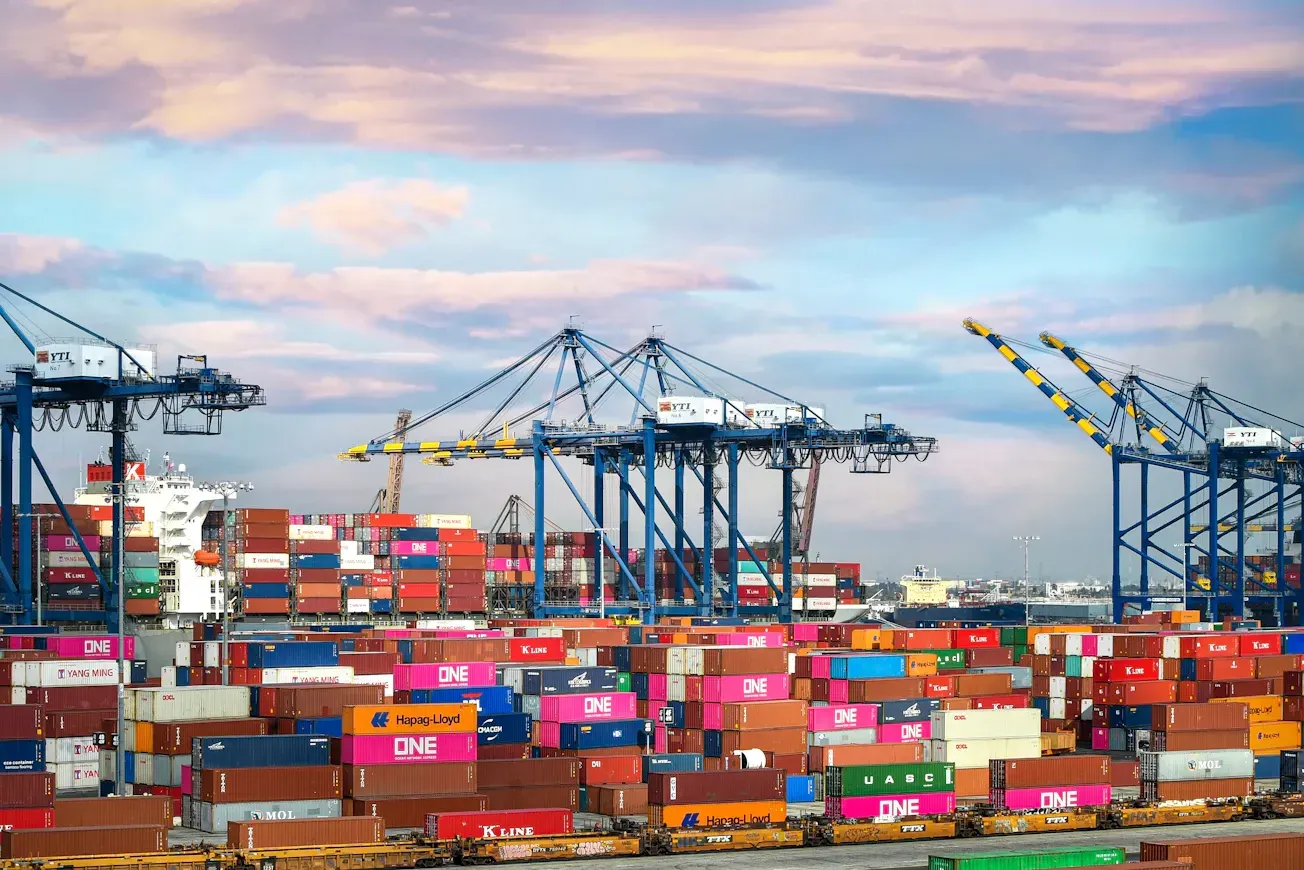
Extended peak season reflects resilient consumer demand despite tariffs, inflation and higher fuel prices.

PACT AI is bringing businesses and technical experts together to build greater accountability around rapidly evolving AI systems.

NRF expects retailers to be well-stocked for the holidays after an early surge in imports shifted the traditional peak shipping season earlier.

The Kantar-compiled list ranks the fastest-growing U.S. retailers based on domestic sales growth.
NRF said these tools can also support personalized discounts, targeted incentives and faster pricing updates.
Shoplifting and merchandise theft declined in 2025, but retailers reported sharp increases in fraud, scams, and organized retail crime, according to NRF’s latest report.

"Affordability is a concern for families and a top priority for retailers as we enter the back-to-school season."

Health and personal care stores remained among the strongest retail performers as consumers continued spending during June.
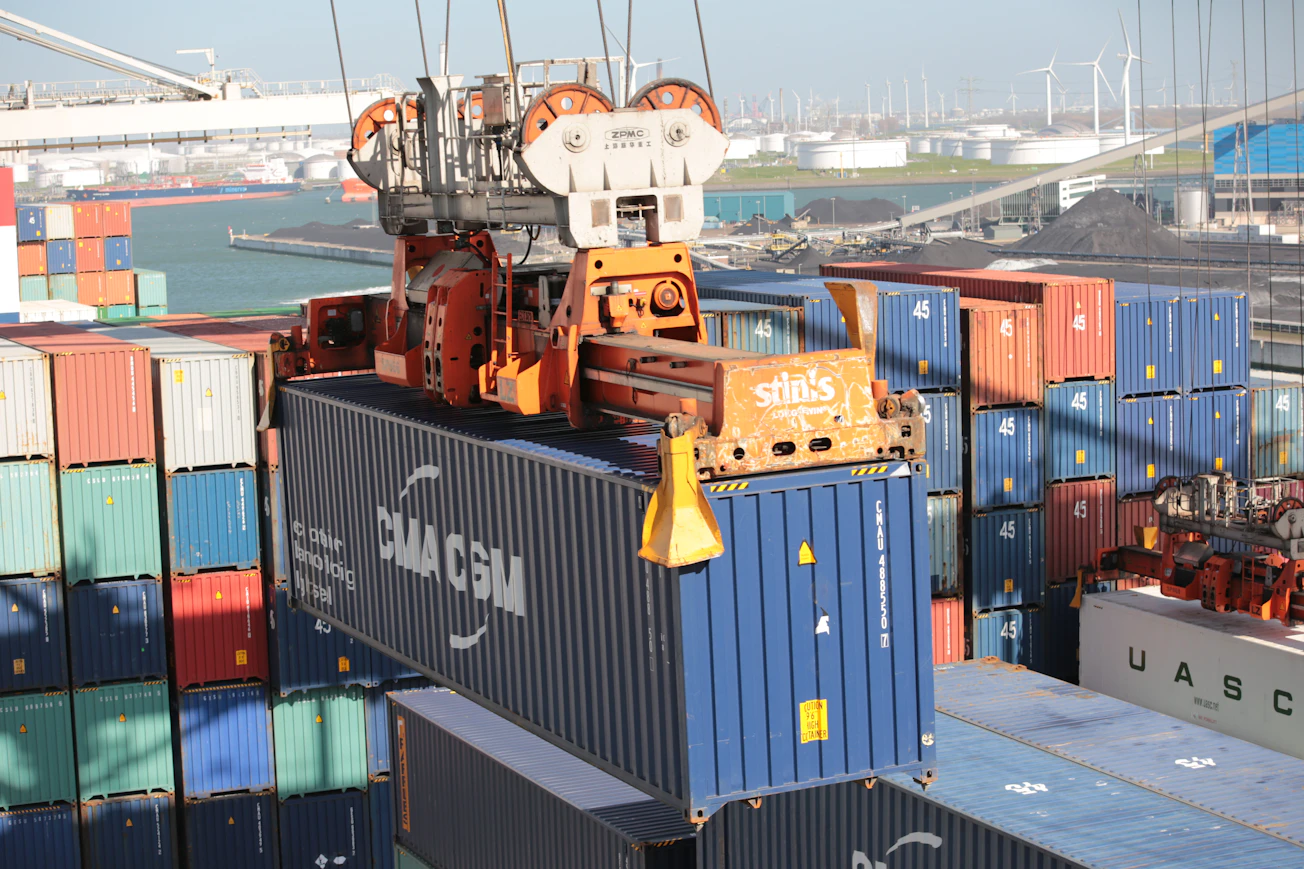
A new NRF report forecasts record container traffic in July as retailers frontload inventory due to trade uncertainty and potential higher import costs.

“Companies are doing quite well,” said David Marcotte, senior vice president of global insights and technology at Kantar.

NRF stated the proposed agreement doesn't address retailer concerns about limited competition in payments and doesn't sufficiently curb rising transaction costs.

"The ongoing trend is for lower imports as the conflict in Iran continues to cause higher inflation and economic uncertainty.”