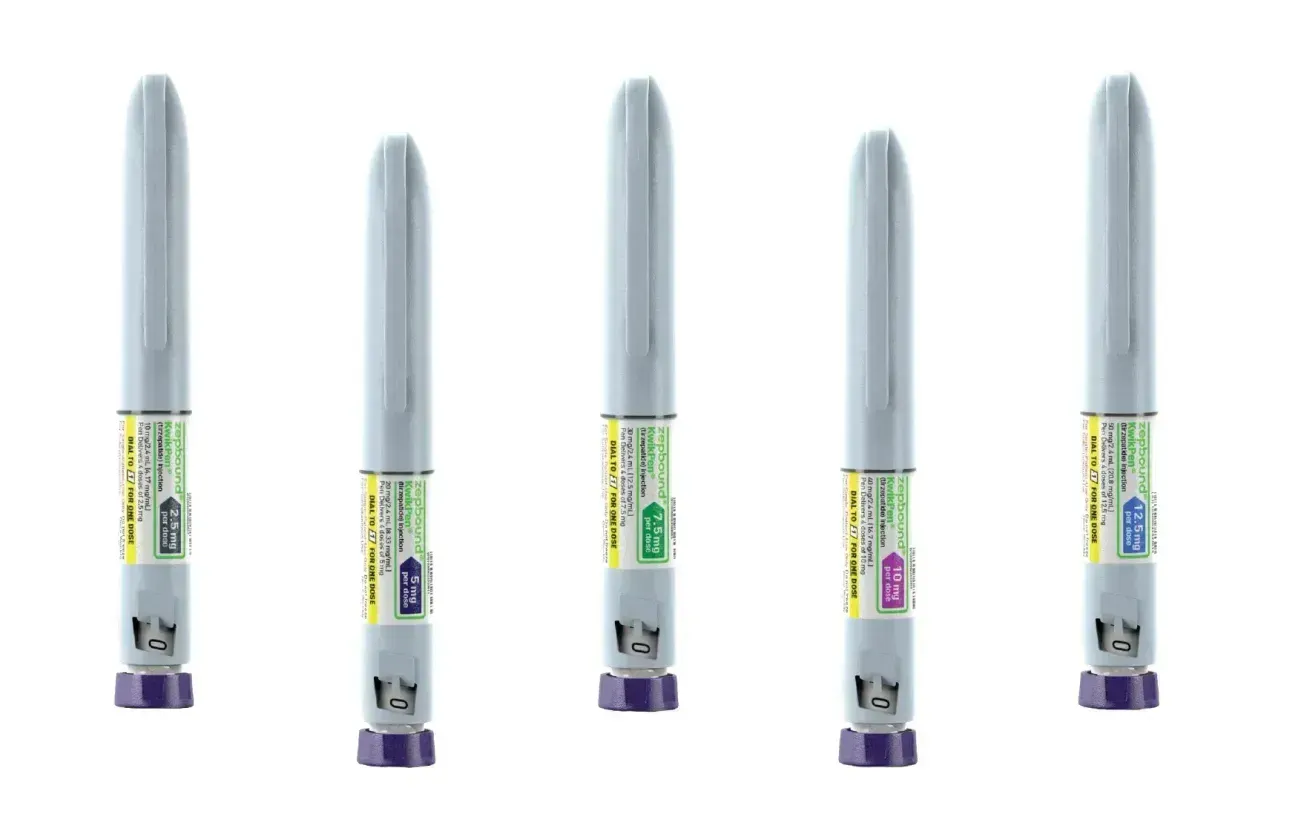
INDIANAPOLIS – Eli Lilly and Co. has announced results from a real-world study of adults over 55 with overweight or obesity, which found that staying on Zepbound (tirzepatide) for weight management lowered healthcare costs over time relative to similar untreated adults, driven in part by fewer hospital admissions and emergency department visits. For adults over the age of 55, including patients in Medicare's GLP-1 Bridge program, these lower costs translate into meaningful savings as early as 12 months into treatment. This is the first study of its kind in this age group, and the results were published in Diabetes, Obesity and Metabolism.
Key findings
The study estimated cost differences over time, excluding Zepbound costs, using two established methods. Both approaches yielded, on average, lower monthly healthcare costs with sustained Zepbound use versus those who are untreated.
- At six months, costs were up to 15% lower (up to $181 per patient, per month).
- The difference widened by 12 months, with an estimated difference of up to $607 per patient, per month, reflecting on average up to 38% lower costs than those not treated.
- In the primary analysis, adults older than 55 treated with Zepbound had lower rates of hospital admissions and emergency department visits across every follow-up period, and numerically higher rates of routine outpatient and office visits, consistent with greater engagement in routine care.
- Beginning at six months, estimated healthcare cost savings nearly covered the Medicare GLP-1 Bridge program's monthly treatment cost of $195 per patient, per month. Starting at 12 months, estimated healthcare cost savings exceeded the cost of Zepbound treatment, suggesting that sustained treatment in an aging population may lead to meaningful cost savings.
"This compelling real-world evidence highlights the impact that treating obesity with Zepbound can have on older patients and the healthcare system," said Ilya Yuffa, executive vice president and president, Lilly USA and Global Customer Capabilities. "This analysis shows treatment costs can be lowered, and in some cases more than covered, by savings elsewhere in care – including for payers and in Medicare. As coverage expands across Medicare, states and employers, these data offer evidence on the cost implications of long-term obesity treatment and should help shape decisions."