

NRF files lawsuit to stop New York’s algorithmic pricing disclosure law
The Act mandates that retailers place a notice next to any price determined using customer information, stating: “This price was set by an algorithm using your personal data.”
The Act mandates that retailers place a notice next to any price determined using customer information, stating: “This price was set by an algorithm using your personal data.”

“This bill protects the conditions that allow retailers to grow, hire and deliver value to American families.”
Replacing the longstanding Reverse Logistics Association Conference & Expo, the inaugural NRF Rev will debut January 11–12, 2026, at the Sheraton New York Times Square Hotel.

The findings align closely with last week’s CNBC/NRF Retail Monitor, powered by Affinity Solutions.

The 90-day pause has opened a critical window for retailers to move previously delayed cargo.
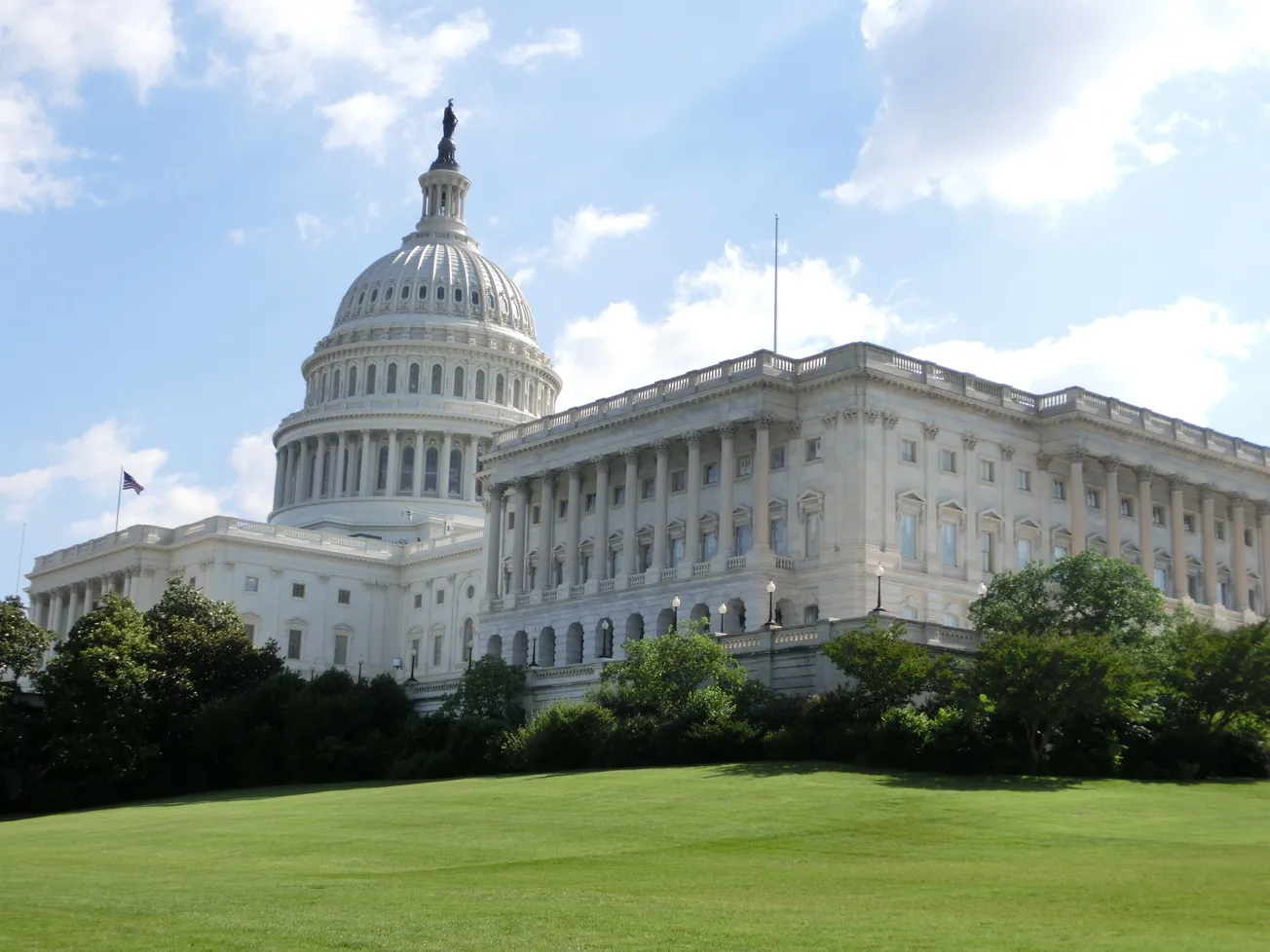
The multitrillion-dollar tax cut and spending bill now heads to the Senate.

On June 24, five experienced loss prevention professionals will receive recognition at the annual NRF PROTECT conference held in Grapevine, Texas.

The Credit Card Competition Act has growing bipartisan support and would bring fairness to the nation’s broken credit card market.

The Census Bureau said overall retail sales in April were up 0.1% seasonally adjusted month over month and up 5.2% unadjusted year over year.
The economy remains resilient, supported by strong employment numbers, rising wages, and lower energy costs.

“These provisions provide the certainty retailers need to modernize operations, grow their workforce and deliver unmatched value to American consumers.”

“We are starting to see the true impact of President Trump’s tariffs on the supply chain,” NRF Vice President for Supply Chain and Customs Policy Jonathan Gold said.

“With so much uncertainty surrounding the economy in the past few months, I’m not sure anyone can predict the storm path of tariffs and their likely impact,” Kleinhenz said.

“Even in the face of economic uncertainty, consumers continue to celebrate the special women in their lives with gifts and outings.”
David Marcotte, Kantar’s Senior Vice President of Global Insights and Technology, noted that the 2024 retail landscape saw a return to stability after years of disruption.

“The pullback we’ve seen the past few months comes despite strong economic fundamentals. A major factor appears to be driven by the uncertainty caused by tariffs,” NRF President and CEO Matthew Shay said.