
C-stores win the quick stop, but shoppers want more
New Acosta Group research identifies pathways to capture more food and beverage occasions.
New Acosta Group research identifies pathways to capture more food and beverage occasions.

Holiday is where culture meets the cart.

Proactive, life-stage-aware care could improve outcomes, reduce downstream costs and may support a modeled health span increase of up to 20 years.

Remote patient monitoring is gaining ground in U.S. health care as providers expand virtual management of chronic conditions.

Consumers are expected to take advantage of competitive deals this season (up to 30% off listed price) to stock up on essentials such as personal hygiene and household cleaning products.

NFID launches National Respiratory Communications Initiative to help deliver clear, consistent, evidence-based guidance on respiratory disease prevention.
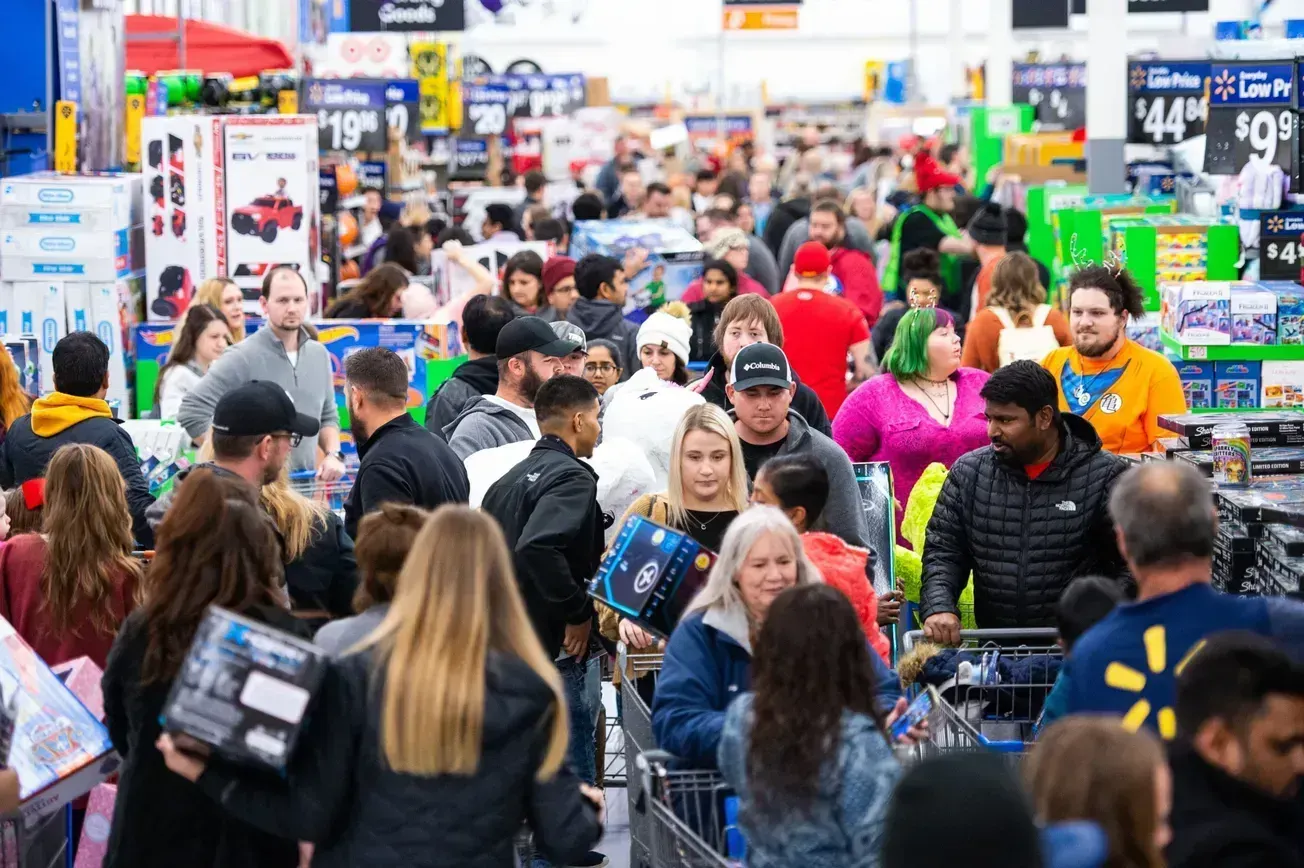
The survey of 4,048 U.S. shoppers found that average holiday spending is expected to reach $737 per consumer in 2026, nearly 12% higher than last year.

About half of consumers (49%) said they plan to begin shopping for Halloween in September or earlier.

Study published in the Expert Review of Pharmacoeconomics & Outcomes Research.

Researchers found an mRNA flu vaccine produces broader antibodies than conventional ones, offering clues for more lasting influenza protection.

New research from Loop shows that return policies are increasingly deciding where Americans shop, while fraud and abuse add to the pressure on retailers.

New report, developed in collaboration with Momcozy, finds that high-frequency caregiving, information overload and demand for supportive technology are creating opportunities for more connected, trusted maternal and baby care solutions.

H-E-B ranked highest among brick-and-mortar pharmacies followed by Publix and Costco.

The Consumer Collective's national study of 500 U.S. adults shows GLP-1 users spend $449 a month on fitness, against $120 for non-users.

“Accurate product information isn’t just a nice-to-have feature, it’s the foundation of transparency and trust,” Consumer Brands’ Rishi Banerjee wrote.
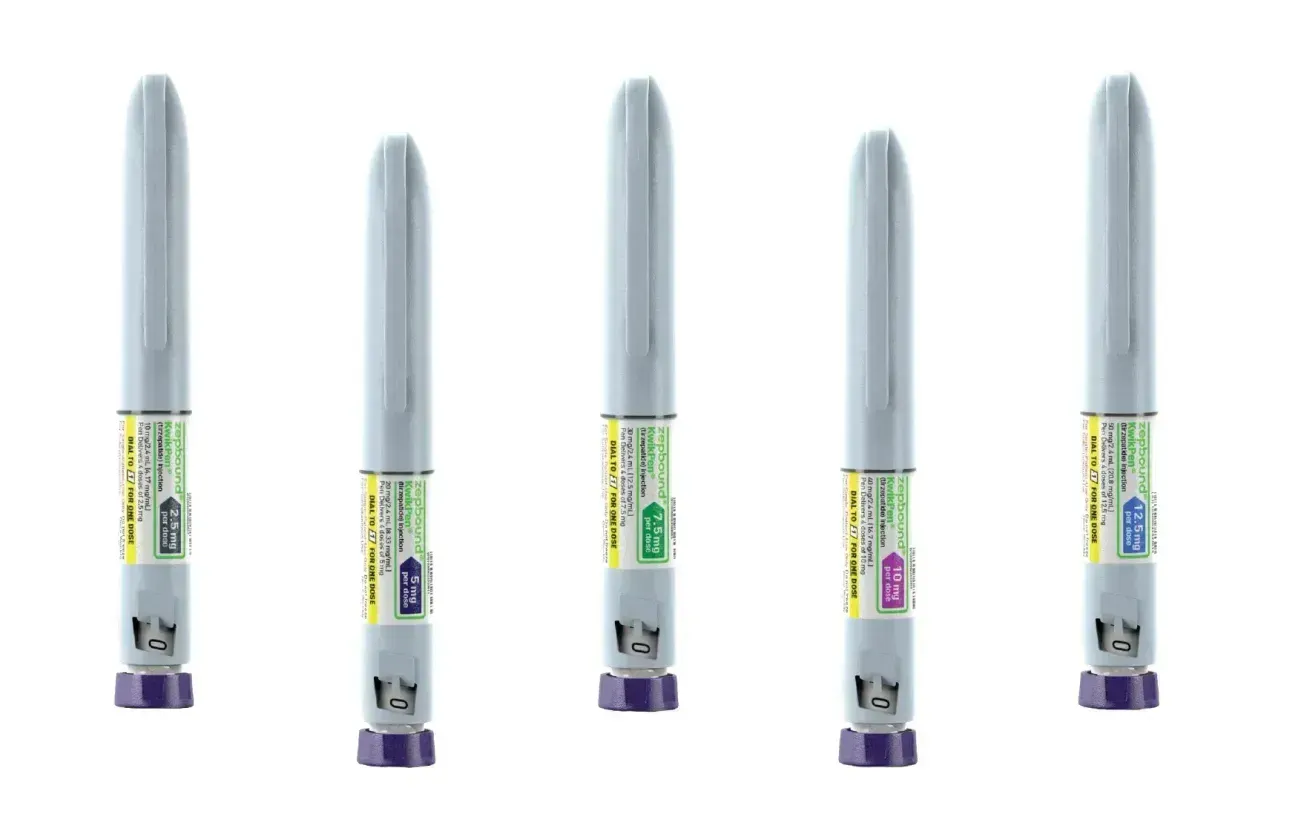
Study shows sustained Zepbound use in older adults with obesity lowers costs, reinforcing the potential value of the Medicare GLP-1 Bridge program.