SACRAMENTO, Calif. — A new report from the Pacific Research Institute contends that the expanding market for unauthorized compounded GLP-1 medications could jeopardize patient safety and diminish incentives for future pharmaceutical innovation.

The brief, authored by Wayne Winegarden, examines the rise of compounded versions of popular GLP-1 drugs, including Ozempic, Wegovy, Mounjaro, and Zepbound, following shortages that began in 2022.
“GLP-1s are among the most promising medical breakthroughs in decades, helping patients struggling with diabetes, obesity and other chronic illnesses,” Winegarden said. “But allowing unauthorized manufacturers to mass market GLP-1 knockoffs outside FDA safeguards creates significant patient safety risks and undermines trust in the healthcare system.”
According to the report, an estimated 8% to 10% of U.S. adults, or more than 34 million Americans, are using GLP-1 medications. While compounded drugs can serve patients when approved therapies are unavailable or unsuitable, the brief notes that compounded medicines are not reviewed by the FDA for safety or effectiveness before use.
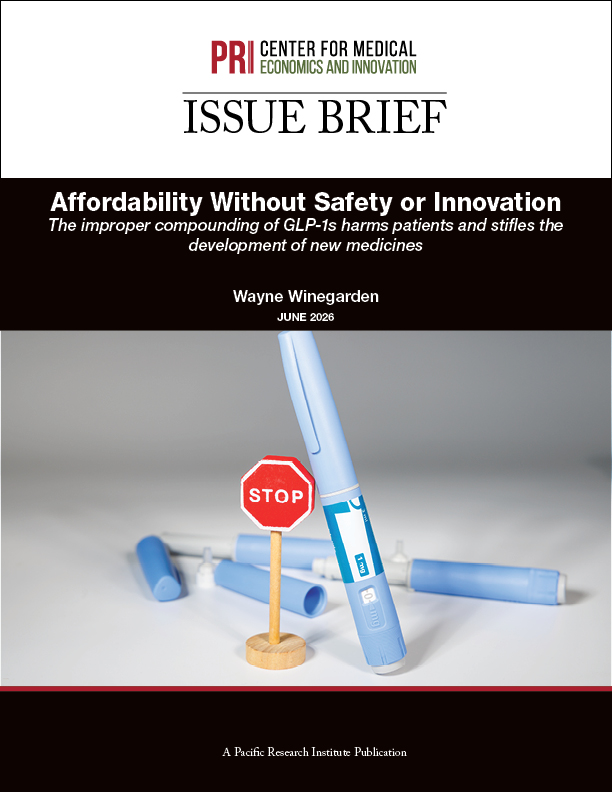
The report highlights concerns raised by the FDA about compounded GLP-1 products, including dosing errors, improper storage, sourcing of active pharmaceutical ingredients, and misleading marketing practices. It also cites FDA reports linking compounded semaglutide and tirzepatide products to hundreds of adverse events, including hospitalizations and deaths.
The brief comes amid increased federal scrutiny of the sector. Earlier this year, the FDA announced restrictions on the use of GLP-1 active pharmaceutical ingredients in unapproved compounded drugs and issued warning letters to multiple telehealth companies for alleged illegal sales and marketing practices. The report also notes that the U.S. Department of Health and Human Services recently referred Hims & Hers to the Department of Justice for investigation of potential federal drug law violations.
Beyond patient safety concerns, the study contends that widespread unauthorized compounding could reduce pharmaceutical research and development investment. The report estimates that unauthorized GLP-1 compounding could reduce future industry R&D spending by $9.3 billion to $11.8 billion, potentially resulting in four to five fewer new medicines reaching the market.
“Patients deserve affordable access to innovative medicines, but the answer is not eroding patent protections or tolerating large-scale unauthorized GLP-1 knockoffs,” Winegarden said. “The solution is enacting healthcare payment reform, empowering patients, increasing competition, lowering costs, and preserving the incentives to develop the next generation of cures.”
Submit Your Press Release
Have news to share? Send us your press releases and announcements.
Send Press Release