For years, retailers treated ultra-fast delivery as a bolt-on: a premium service for impatient customers willing to pay extra for a pizza or a last-minute bag of ice. That framing no longer holds. New research from Kearney and Coresight Research both point to the same conclusion — quick commerce has stopped being a niche channel and has become a default consumer behavior, one retailers of every size and category now need to plan around.

The numbers make the shift concrete. Kearney’s new study, “Quick Commerce: A Strategic Outlook,” finds that 19% of consumers already use under-30-minute delivery, and the category is projected to grow 38% by 2030. More striking is what’s driving that growth: 80% of consumers say they’d try quick commerce for a “moment of need” health purchase, and 61% now expect over-the-counter medications delivered within an hour. As Kearney partner Katherine Black puts it, “Winners won’t simply deliver faster, they’ll own the decision moment.” Consumers are moving from planned, weekly shopping trips to purchasing the instant a need arises — a shift that pits grocers against pharmacies, restaurants against meal-kit services, and chain drug against big box, all competing for the same impulsive, less loyal shopper.
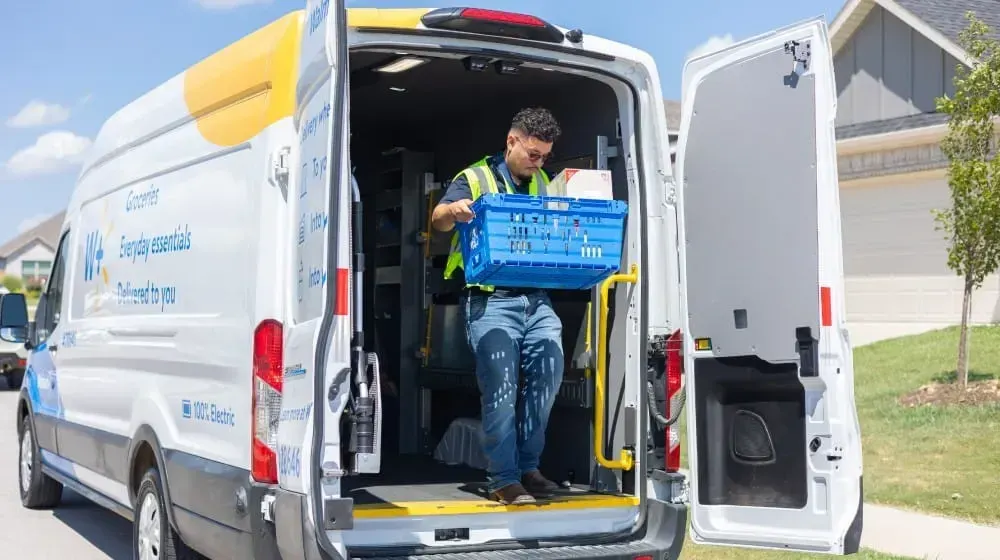
Coresight’s parallel findings show this isn’t just about emergencies. More than a third of U.S. online grocery shoppers (37.9%) now do most or all of their online grocery shopping via rapid delivery — evidence that speed has become a routine expectation, not just a response to urgent needs. Retailers are responding accordingly: Over 36% of Walmart’s store-fulfilled online orders arrived in under three hours in the first quarter of fiscal 2026, Amazon rolled out 30-minute delivery to dozens of new cities in May, and Target’s same-day delivery grew 27% in the same quarter. Nonfood categories are following fast, with Ace Hardware, Kroger, Ulta Beauty and Ahold Delhaize all expanding Uber Eats partnerships this year.
Yet the same research complicates any narrative of stores becoming obsolete. Coresight’s data shows shoppers pulling in two directions at once: craving frictionless, fast transactions for some purchases while still seeking discovery, inspiration and tactile experience in physical stores for others. The customer who wants a prescription in 30 minutes on Tuesday may happily spend an hour browsing the beauty aisle on Saturday. The shopper hasn’t changed. The mission has.
That distinction is the real takeaway for retail leaders. Quick commerce isn’t replacing stores any more than e-commerce or AI made them obsolete. What’s happening instead is an unbundling of the shopping mission itself, and retailers need a portfolio of capabilities to match — not a single bet on speed or a single bet on experience.
Flexibility, in other words, is becoming the new competitive moat. The winners won’t necessarily be the retailers with the biggest store fleets or the fastest delivery networks in isolation. They’ll be the ones who understand why a customer is shopping at any given moment — urgency, routine or discovery — and can deliver the right experience for that mission, on demand. In a fragmenting retail landscape, the ability to serve every kind of shopping trip, not just the fast ones, will separate the retailers who own the decision moment from the ones left chasing it.