NEW YORK – The average U.S. household is likely to spend $1,654 this holiday season, up 4% from last year, according to Deloitte, which foresees a 10% jump in spending on retail goods as shoppers “seem determined to keep cheer alive.”
Deloitte's “2026 Holiday Retail Survey” sees gains driven largely by Gen Z and millennial consumers.
“For the first time in our annual survey, Gen Z and millennials are expected to account for 50% of holiday spending, presenting a meaningful opportunity for retailers," says Natalie Martini, vice chair and leader of the U.S. retail and consumer products sector at Deloitte. "Their preferences — including wish lists, faster delivery and personalized gifts — can help retailers make the shopping experience more relevant and convenient."
Deloitte has studied consumer behavior and sentiment ahead of the holiday shopping season for 41 years. This year, the firm sees budget-minded shoppers “keeping spirits bright as they prioritize gifting experiences and smart spending.”
Half of shoppers plan to gift an experience this year, up from 47% in 2025 and 39% in 2024, according to the online survey of a nationally representative sample of 4,000 U.S. consumers conducted by an independent research panel between August 26 and September 10.
The survey suggests savvy spending is top of mind: 38% of respondents qualify as “holiday value seekers” who shop promotions, redeem rewards, and choose private label and other value alternatives to make gift purchases feel worth the price. Deloitte says these shoppers expect to spend 12% more this holiday season than others.
Among survey findings:
• Economic sentiment holds steady, with 45% of respondents expecting the economy to stay the same or improve.
• Gen Z and millennials note better household financial situations compared to last year and plan to increase spending after pulling back last year.
• Younger generations are driving the largest gains in gifting; three-quarters (76%) of Gen Z shoppers plan to gift clothing and accessories.
• Planned spending on retail goods increases in relation to income. Households earning $200,000 or more plan to spend $3,607, on average, more than five times the $693 expected from those taking home less than $50,000 a year.
• Use of digital tools including search, social media and AI agents corresponds to higher spending. Those using all three tools plan to spend an average of $2,893, compared with $1,175 among shoppers who did not use these tools.
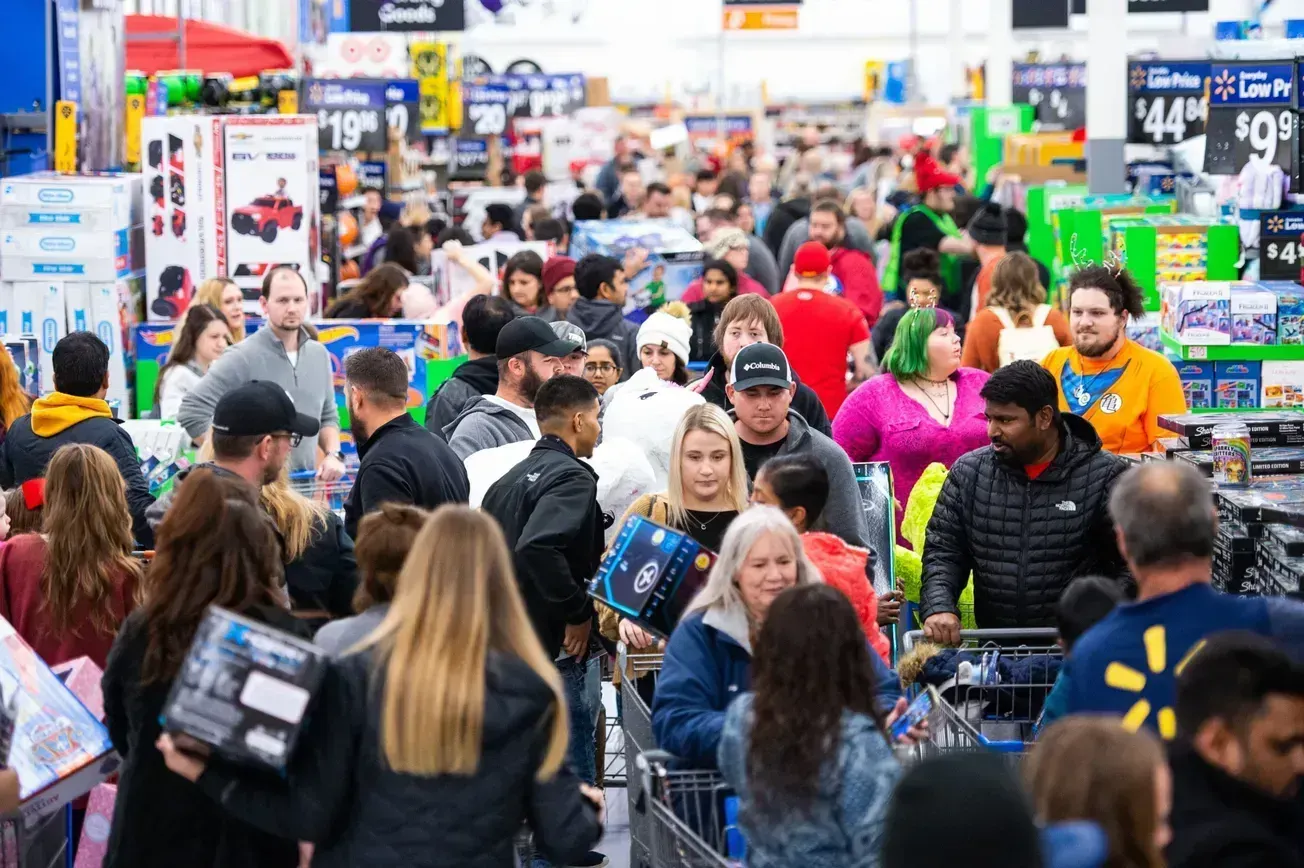
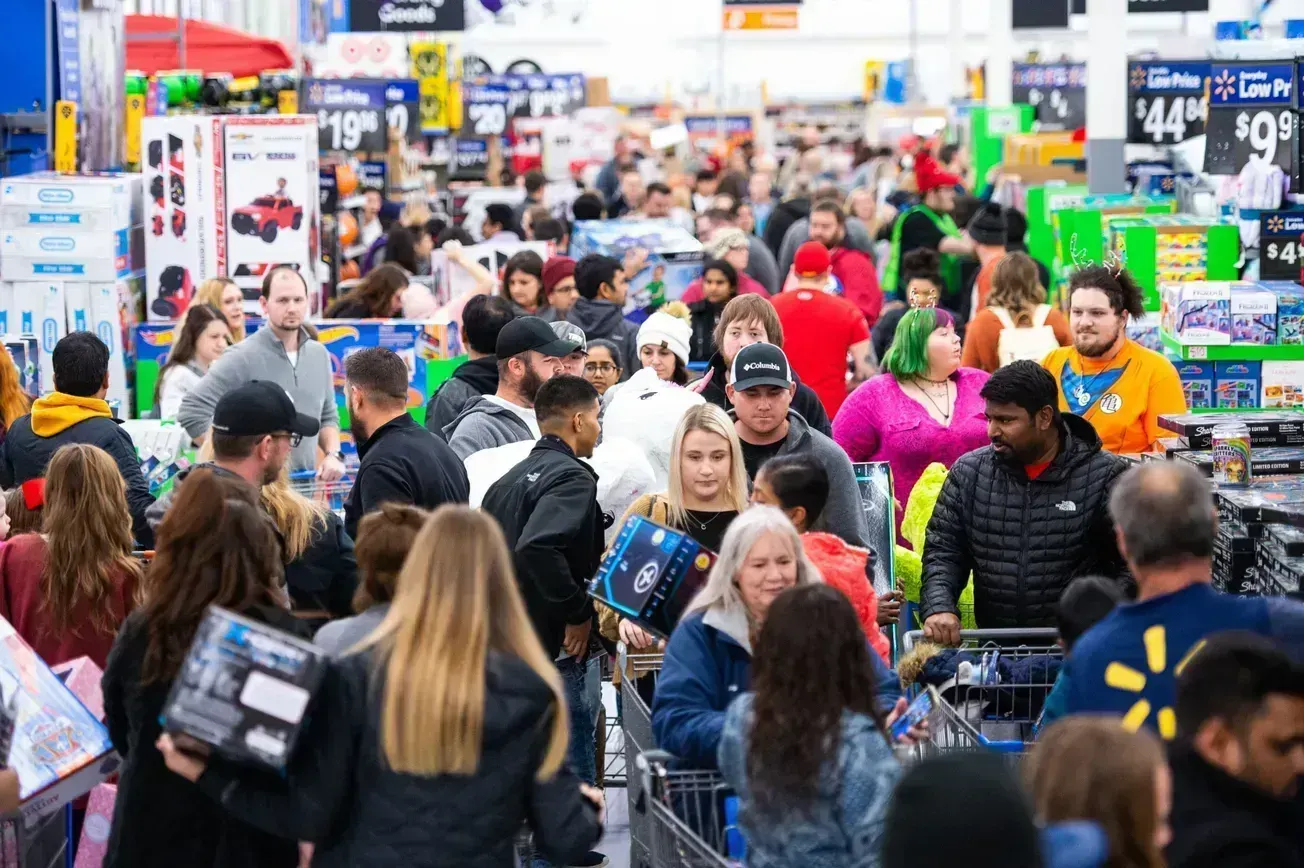
• Thanksgiving week remains the main event. Traditional shopping windows hold firm, with planned shopping activity peaking in late November (77% of shoppers active) and staying elevated into early December.
• Nearly a quarter of respondents were starting earlier than they did last year, and 28% of shoppers’ budgets are likely to be exhausted by the end of October.
• One in four respondents purchased holiday items during June promotional events, and four in 10 planned to shop October sales events.
• The holiday shopping journey favors online-only retailers and mass merchants: 36% and 18% of holiday shoppers, respectively, expect to spend the most at these formats, while price and value remain the top retailer-selection factor.
• Although shoppers plan to allocate 55% of their retail holiday budgets online, many still favor in-store shopping for certain categories, especially food and beverage (81% prefer in-store vs. 19% online); pet (62% in-store vs. 38% online); and home and kitchen (60% in-store vs. 40% online).
• Among shoppers planning or considering a self-gift, the average expected spend is $299, up 13% from 2025 and 20% from 2024. Younger shoppers lead this trend (49% of Gen Z plan to self-gift compared to 18% of baby boomers). Male shoppers also plan to spend more on self-gifting ($355) than female shoppers ($245).
“Holiday shoppers are not looking for a one-size-fits-all experience. Younger shoppers are seeking more personalization, guidance and convenience, while older shoppers place greater emphasis on clear value and independent shopping,” says Brian McCarthy, Deloitte’s retail strategy leader. “Retailers that tailor the experience to these preferences can make holiday shopping more relevant and capture growing self-gifting demand.”