

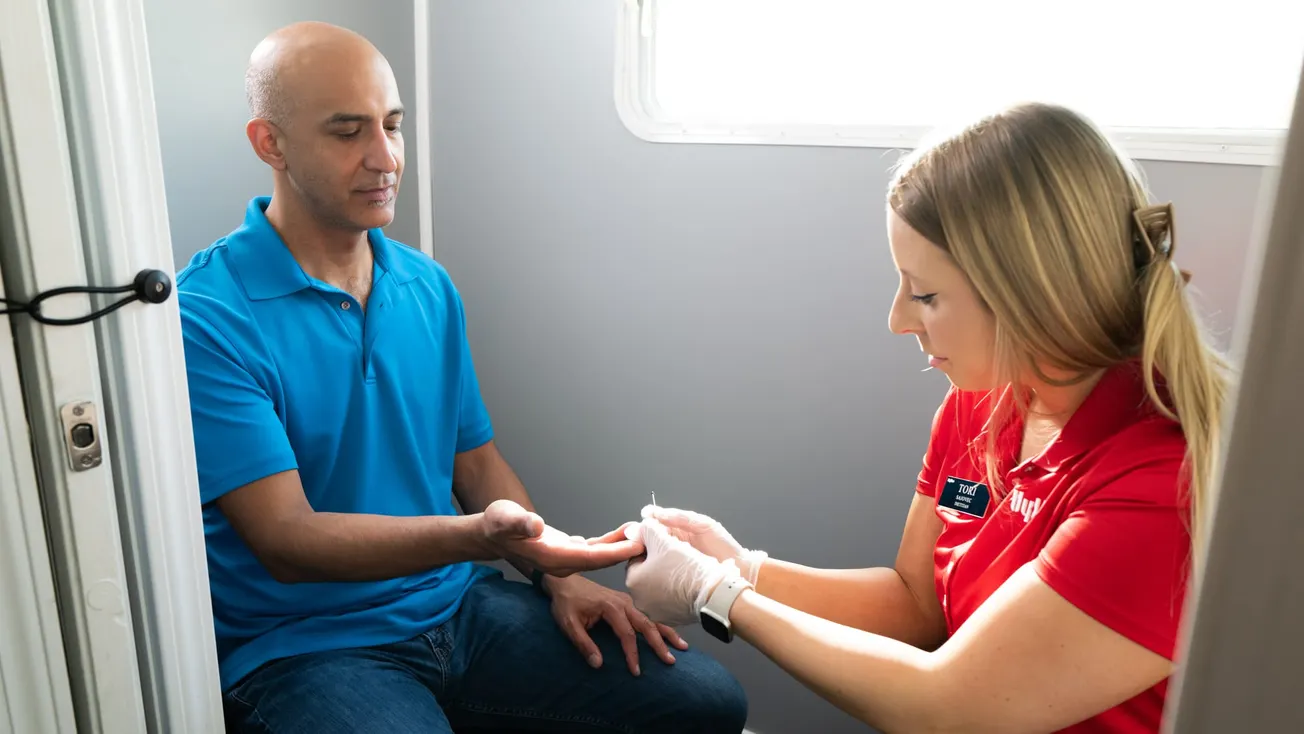
WEST DES MOINES, Iowa — This April, more than 100 Hy-Vee stores across the Midwest are helping customers live healthier lives by offering A1C screenings at a reduced price.
Hy-Vee’s team of registered dietitians will administer the A1C tests. Purchase one for $15 or two for $20 to share with a family member or save for later. Testing normally costs $45 per person.
Through a simple finger stick, A1C tests measure average blood sugar levels over the past two to three months to identify prediabetes or diabetes. Fasting is not required before the test, and results are available immediately. Hy-Vee dietitians will then review the results with the customer.
Registration is required to receive an A1C test. Customers can find the nearest participating Hy-Vee location and request an appointment on this webpage. While appointments must be purchased in April, customers can schedule their A1C screening for a later date.
A1C screenings are available at a reduced price while supplies last, and are provided in partnership with Abbott, Dave’s Killer Bread, Embecta and OLIPOP.
Over 100 Hy-Vee stores offering A1C screenings at a reduced price in April
Low-cost screenings administered by registered dietitians are available at more than 100 Hy-Vee stores.
Related

Reimagining the retail pharmacy experience for today’s consumers
As frontline healthcare destinations, retail pharmacies are well positioned to offer comprehensive patient care that goes beyond prescriptions.
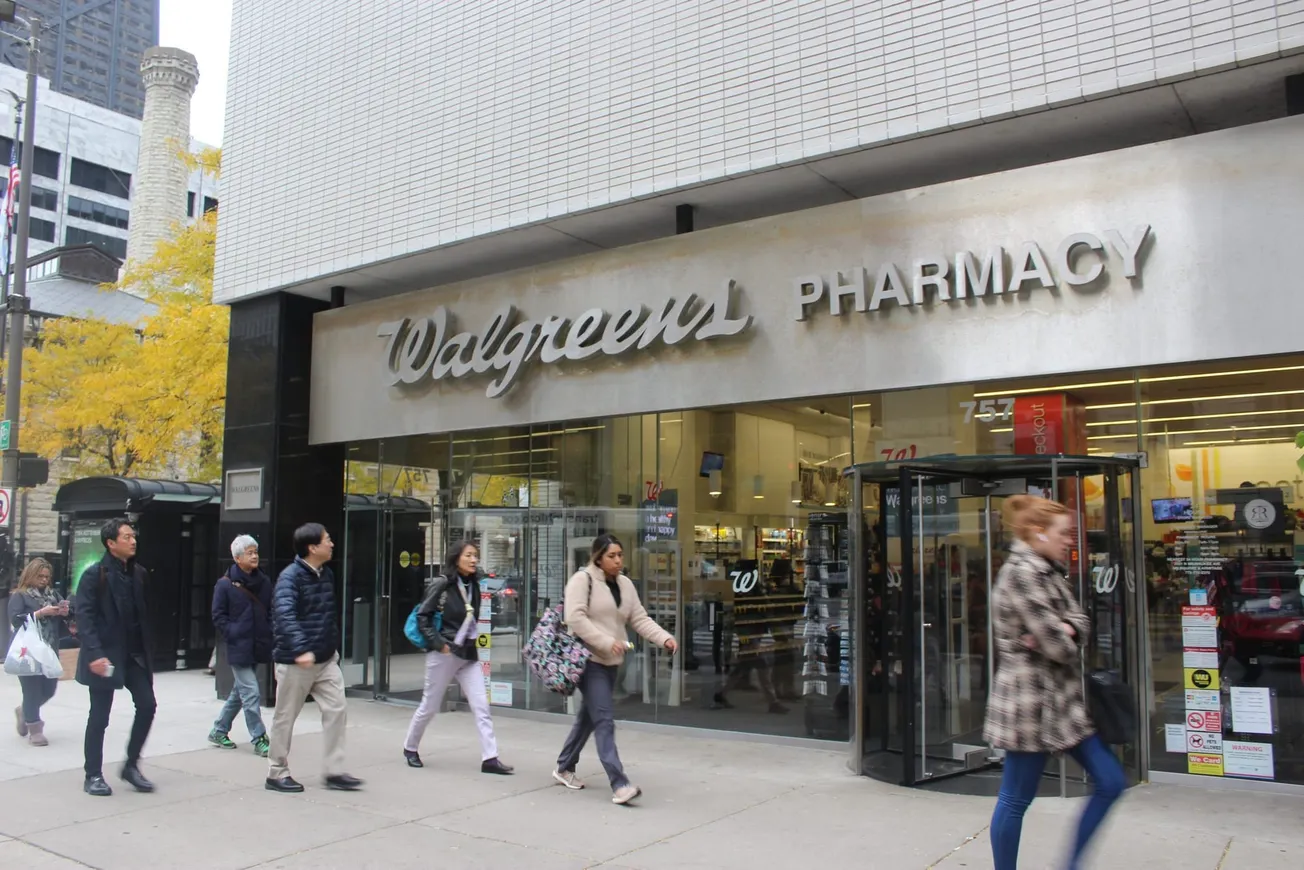
Walgreens to have nearly 8,000 stores open on Thanksgiving Day
For added convenience, customers can also shop eligible items through 1 Hour Delivery and 30 Minute Pickup where available, giving them more ways to tackle last-minute needs without missing the celebration.
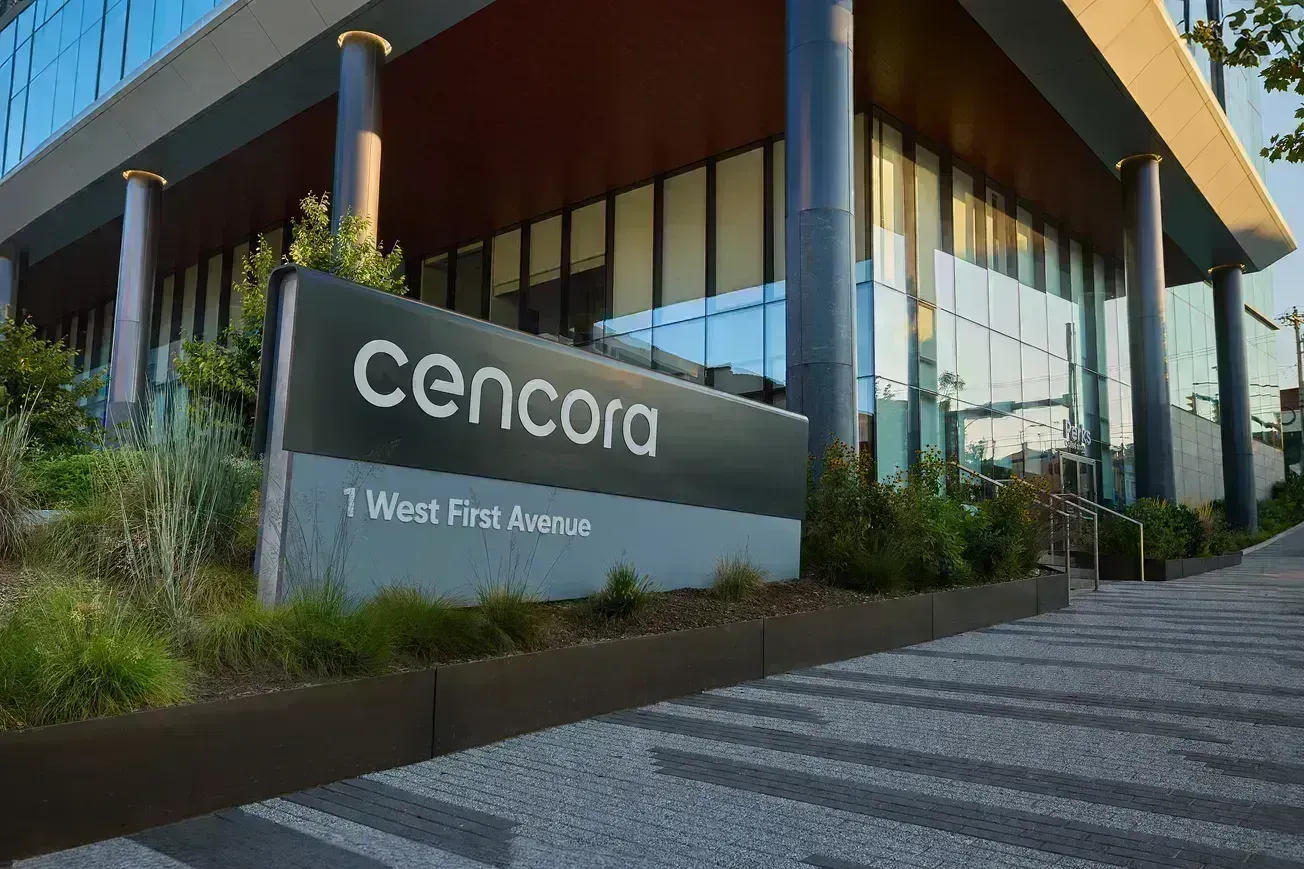
Cencora realigns leadership structure to boost visibility and growth
The company is bringing together its specialty businesses under one leader, Richard Tremonte.

Camber rolls out buprenorphine and naloxone sublingual films
The generic for Suboxone is indicated for treatment of opioid dependence.
Latest
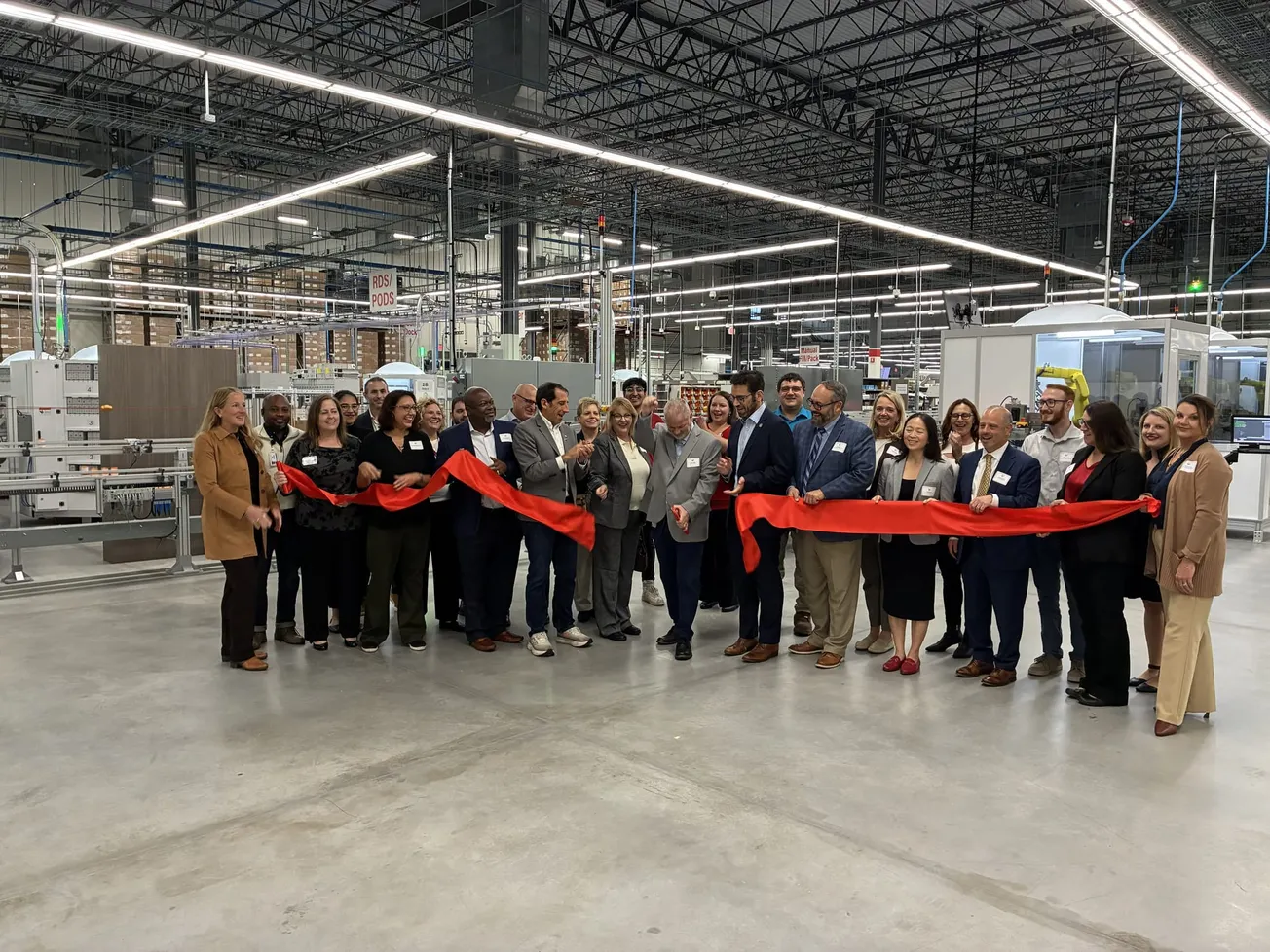
Walgreens expands micro-fulfillment network with new Pennsylvania facility
The new facility will serve nearly 650 Walgreens stores, including 55 locations in Pennsylvania, by automating the dispensing of prescription medications.
Reimagining the retail pharmacy experience for today’s consumers
As frontline healthcare destinations, retail pharmacies are well positioned to offer comprehensive patient care that goes beyond prescriptions.
Albertsons ordered to pay $900 million in Washington opioid case
A Washington judge ordered Albertsons to pay $900 million for inadequately investigating suspicious opioid prescriptions. The retailer may appeal.
Bausch Health study highlights alcohol-associated hepatitis burden
Research presented at The Liver Meeting 2026 found high mortality and rehospitalization rates among patients with severe alcohol-associated hepatitis.