

Health care outlook 2024: Lee Ann Stember, president and CEO, NCPDP
In the first of a two-part series, leaders of industry associations present their expectations for pharmacy operators for this year.
In the first of a two-part series, leaders of industry associations present their expectations for pharmacy operators for this year.

In the first of a two-part series, leaders of industry associations present their expectations for pharmacy operators for this year. The views of other organizations will appear in the next issue of Chain Drug Review.

In the first of a two-part series, leaders of industry associations present their expectations for pharmacy operators for this year. The views of other organizations will appear in the next issue of Chain Drug Review.

In the first of a two-part series, leaders of industry associations present their expectations for pharmacy operators for this year.

As the start of a new year approaches, long-standing trends are raising the stakes for big pharmacy operators and other companies with the ambition to re-engineer a health care system plagued by chronic issues of access, quality and cost.

This is an especially special holiday season for participants in and advocates of chain drug retailing in America. Reason? The season celebrates and pauses to recall the 90th anniversary of the National Association of Chain Drug Stores.

Retail pharmacy has taken a beating in the press recently. Mainstream media outlets, including The New York Times, The Washington Post, CBS News and PBS, covered labor actions undertaken by pharmacists motivated by concerns about working conditions and potential risks to patients.
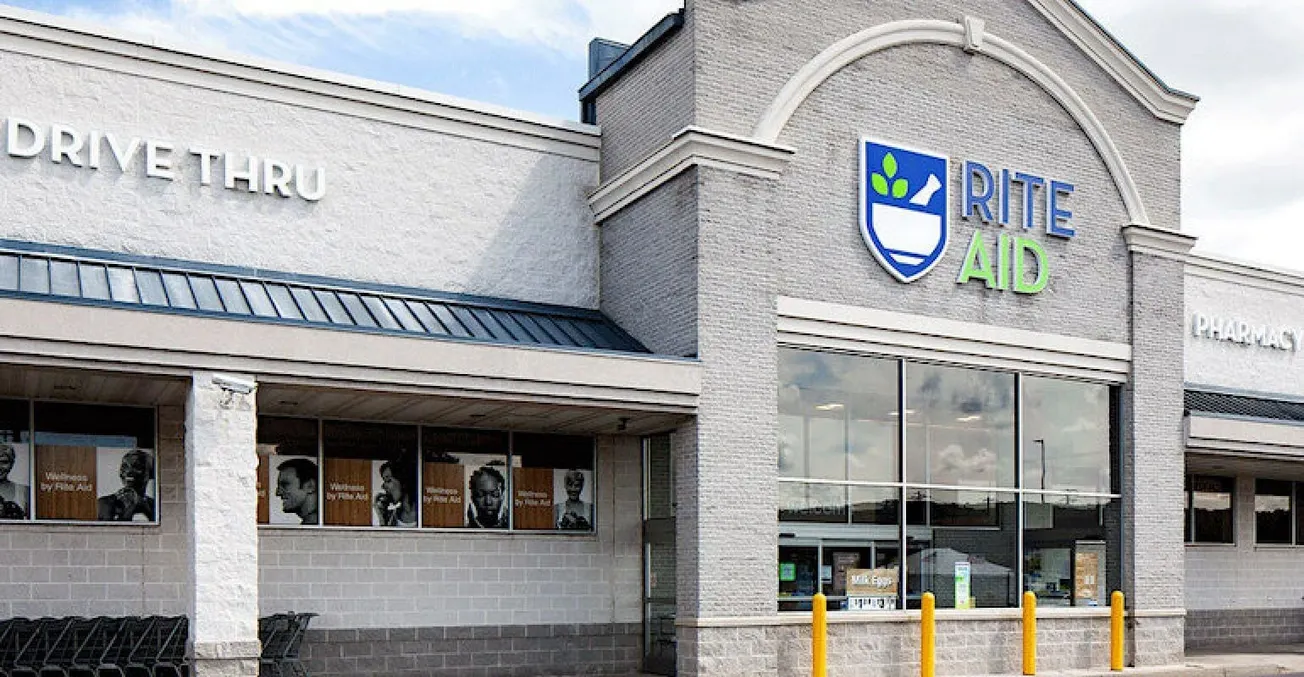
and there remain many who fondly recall a simpler time in chain drug retailing — must surely have a second thought or two about Rite Aid, in the wake of that venerable retailer’s fight for survival. Once upon a not-so-distant time, Rite Aid, along

that’s how the light gets in” — Leonard Cohen The last three years have witnessed a dramatic and to some degree unprecedented (and therefore unmodel-able) shift in shopping behavior. Much has been made of habit disruption due to COVID, and a thoroughly overrated assessment of the impact of COVID

As almost everybody knows by now, Packy Nespeca passed away, at age 100, in early October. To once again restate (and paraphrase) the age-old cliché: To those who knew Packy, no explanation is necessary; to those who did not, no explanation is possible.
Speaking earlier this month at the Health Equity Summit presented by Kearney and Chain Drug Review, Dr. David Ansell brought the vexing problem of persistent health disparities in the U.S. into sharp focus.

due to safety concerns related to theft and organized retail crime — is another red flag for the industry as a whole. The pending store closures (one in New York City, two in Seattle, and three each in

All too soon, 2023 is winding down.

By shifting the emphasis from treatment to prevention, the U.S. health care system can help people lead better lives, reduce health disparities and rein in massive expenditures that forestall investment in other urgent societal needs, including education, housing and environmental protection.

If you happen to find yourself with a few idle days on your hands (How silly: Retailers seldom have a few extra days on their hands), you just might want to wander over to Des Moines, capital of Iowa, to examine how Hy-Vee, one of the truly stunning retailers this or any country has to

The erstwhile baseball all-star and philosopher Yogi Berra, renowned for malapropisms called “Yogisms,” had two famous quotes that could apply to the 2023 consumer health care world as it emerges from COVID: “The future ain’t what it used to be” and “You can observe a lot by just watching it.