SECAUCUS, N.J. — Consumers are increasingly seeking supplements backed by science, with transparent labeling and practical health benefits, according to The Vitamin Shoppe’s 2026 Health & Wellness Trend Report, which identifies five trends expected to shape the dietary supplements market over the coming year.
The annual report combines proprietary retail sales and search data from more than 640 The Vitamin Shoppe stores and VitaminShoppe.com with findings from a nationwide survey of 2,000 U.S. adults conducted by Talker Research. The research points to growing consumer interest in fiber, liver health, trademarked ingredients, product transparency, and flavor innovation, while also revealing a broader shift toward simpler, foundational wellness routines.
Among consumers looking to improve their health this year, 44% said they are focusing on habits such as quality sleep, regular exercise, hydration, and nutrition, compared with 21% pursuing more advanced optimization strategies. The report also found sharp generational differences, with 70% of Gen Z respondents saying they feel pressure to keep up with the latest wellness trends, compared with 31% of baby boomers. More than half of Gen Z consumers also reported experiencing “health FOMO,” or fear of missing out on health trends.
“This year’s report reflects the contrasting dynamics of today’s consumer, who is increasingly informed and discerning,” said Sharon Leite, CEO of The Vitamin Shoppe. “Innovation still matters, but credibility has become the ultimate differentiator. Consumers are gravitating toward products that combine scientific validation, transparent sourcing, trusted ingredients, and seamless integration into everyday life. The result is an industry that is becoming both more sophisticated and more grounded in practical outcomes.”
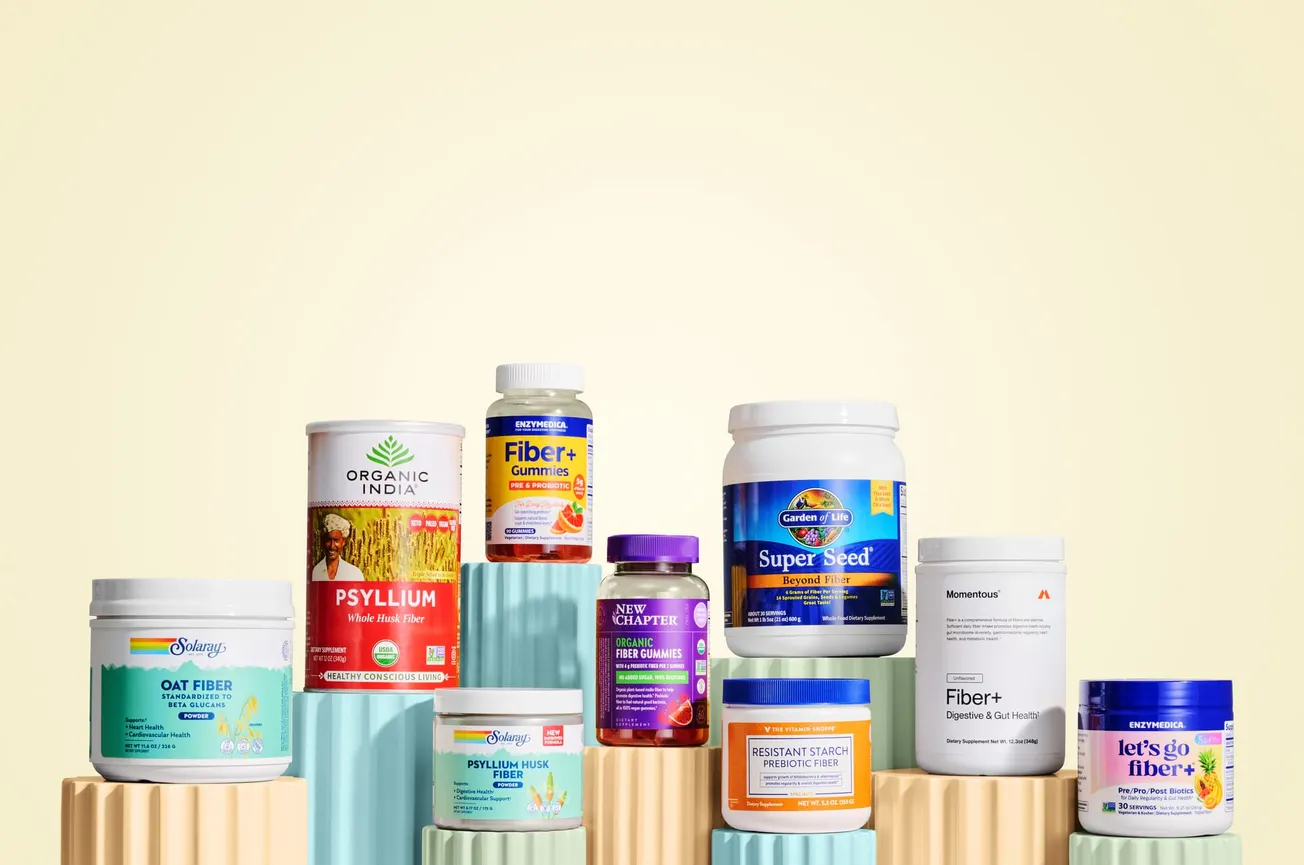
Fiber was identified as one of the fastest-growing wellness categories, driven by rising awareness of gut health, the microbiome, and metabolic wellness, as well as social media trends such as “fibermaxxing.” The Vitamin Shoppe reported that year-to-date fiber sales have increased by 20%, while searches for “fiber” have climbed 59% and searches for “psyllium husk” have surged 150% on its website. Nearly 70% of Americans said they are actively trying to increase their fiber intake through food, supplements, or both.
Interest in liver health is also expanding beyond traditional detox products. Searches for “liver health” on VitaminShoppe.com have surged nearly 700% this year, and liver cleanse sales have nearly doubled. More than half of survey respondents rated liver health as “very important” to their overall wellness, reflecting a shift toward long-term metabolic health and healthy aging.
The report also found that consumers are increasingly sophisticated in evaluating supplement formulations. Nearly two-thirds of respondents said they place greater trust in trademarked ingredients such as KSM-66®, Magtein® and Niagen® than in generic alternatives, viewing them as indicators of quality and scientific validation. Searches for branded ingredients, including Creapure® and PeptiStrong®, have risen by as much as 400% this year.
Transparency is emerging as another key differentiator. Nearly half of consumers (47%) said they decided not to purchase a supplement because the label or formula lacked sufficient transparency. According to the report, shoppers increasingly expect clear ingredient disclosures, clinically effective dosages, third-party certifications, and easy access to testing documentation via QR codes and certificates of analysis.
Flavor innovation is also playing a larger role in supplement purchasing decisions. More than half of consumers said flavor influences which products they buy, fueling demand for candy-inspired pre-workouts, soda-flavored energy drinks, dessert-inspired protein bars, and other products designed to enhance the overall supplement experience.
Overall, the report found that while half of consumers feel empowered by the growing availability of health information and wellness tools, one-third feel overwhelmed by the volume of information available. Only 20% of respondents graded their own health as an “A,” while 31% gave themselves a “B” and 37% a “C,” highlighting continued opportunities for brands to support consumers with products that combine scientific credibility, trusted quality and everyday practicality.
Submit Your Press Release
Have news to share? Send us your press releases and announcements.
Send Press Release