A report just out from Kearney about the mindset of consumers shows that many people feel alienated as they navigate their way through the current marketplace. Consumers crave community, but only 25% of them indicate they have a sense of belonging on a daily basis.

“Community is a counterpoint to fragmentation,” said Katie Thomas, lead of the Kearney Consumer Institute and author of the study “The Disconnected Consumer,” which focuses on the concept of brand communities. “In a fragmented market, the tendency of brands has been to make surface-level efforts across a range of micro-targets. But consumers strapped for money, time and energy, while being drowned in excessive choice, are really looking for a sense of community — from shopping to their personal lives.”
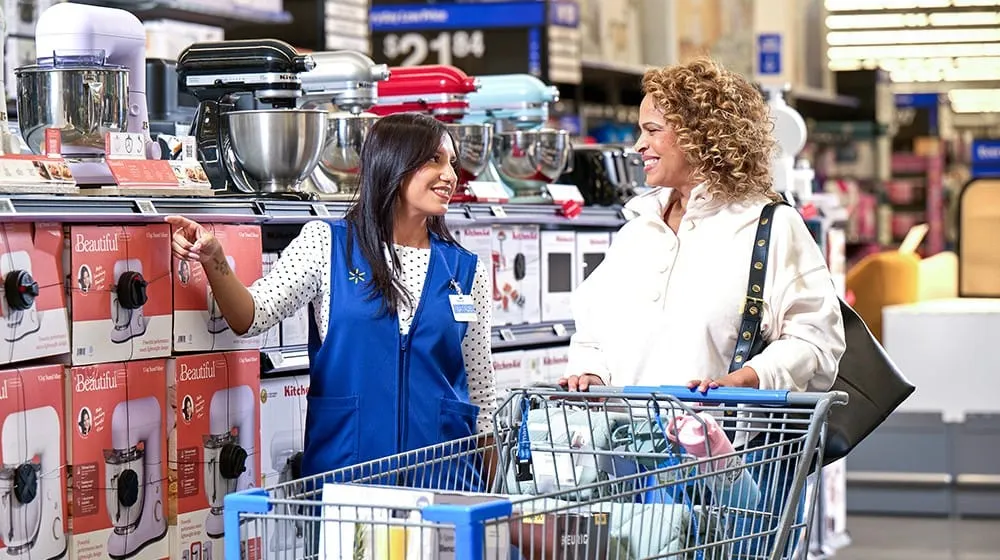
The report gives brand owners some useful perspectives on surmounting fragmentation and fostering community feeling — an area where retailers can make a particularly significant impact. With stores woven into the fabric of neighborhoods where people live and work, traditional merchants are ideally situated to build connections. The obvious starting point is regular interaction between customers and associates.
Nowhere is that dynamic more apparent than at the pharmacy counter. Consistently ranked among the most trusted professionals in America, pharmacists are frequently the first people consumers turn to when they encounter a health problem. The expert advice regarding prescription drugs, over-the-counter medications and other wellness issues provided by pharmacists builds lasting bonds with patients — bonds that help explain why the profession is commonly referred to as “community pharmacy.”
A similar pattern is now taking shape in the grocery sector. As more supermarkets embrace the concept of food as medicine, shoppers are looking to retail nutritionists — whether in-store or online — for guidance about the links between what individuals eat and how they feel. Together with product sampling, cooking classes and similar initiatives, the interactions reinforce a sense of commonality and purpose.
Sam’s Club has taken the concept of community involvement to another level. The membership warehouse club division of Walmart has enlisted 150,000 of its customers to participate in the Member’s Mark Community. The group plays an important role in shaping the evolution of the chain’s eponymous private label line, testing items under development and providing feedback that helps determine whether the products ultimately make it to the shelf. Myron Fraizer, who became chief merchant at Sam’s Club in February, asserts that the Member’s Mark Community represents a commitment to consumers’ active participation in retail.
These examples of day-to-day interaction between customers and re=tail store staff are an important reminder that, for most consumers, shopping still involves a social component. People value the information and insights gained in the process, as well as the opportunity to come face-to-face with other shoppers. As e-commerce and digital technology play an ever greater part in routine transactions, brick-and-mortar retailers should double down on the sense of community that only they can provide.